
Belonging
Schools, teams, associations and workplaces can use a shared emblem to express a connection. Matching pins also make it easier for members to recognize one another.
01

Meaning and everyday wear
People wear pins to express identity, belonging, interests, support or a shared experience. A school emblem can help alumni recognize each other; an event pin can preserve a memory; an illustrated pin can simply be something its owner enjoys wearing.
Original editorial concept image. Every emblem shown in this article is fictional.
A pin brings a piece of someone’s story into everyday clothing. It does not have to explain the whole person; it can make one meaningful part visible.
The artwork carries the meaning. Size, weight, the post and the backing shape the wearing experience.
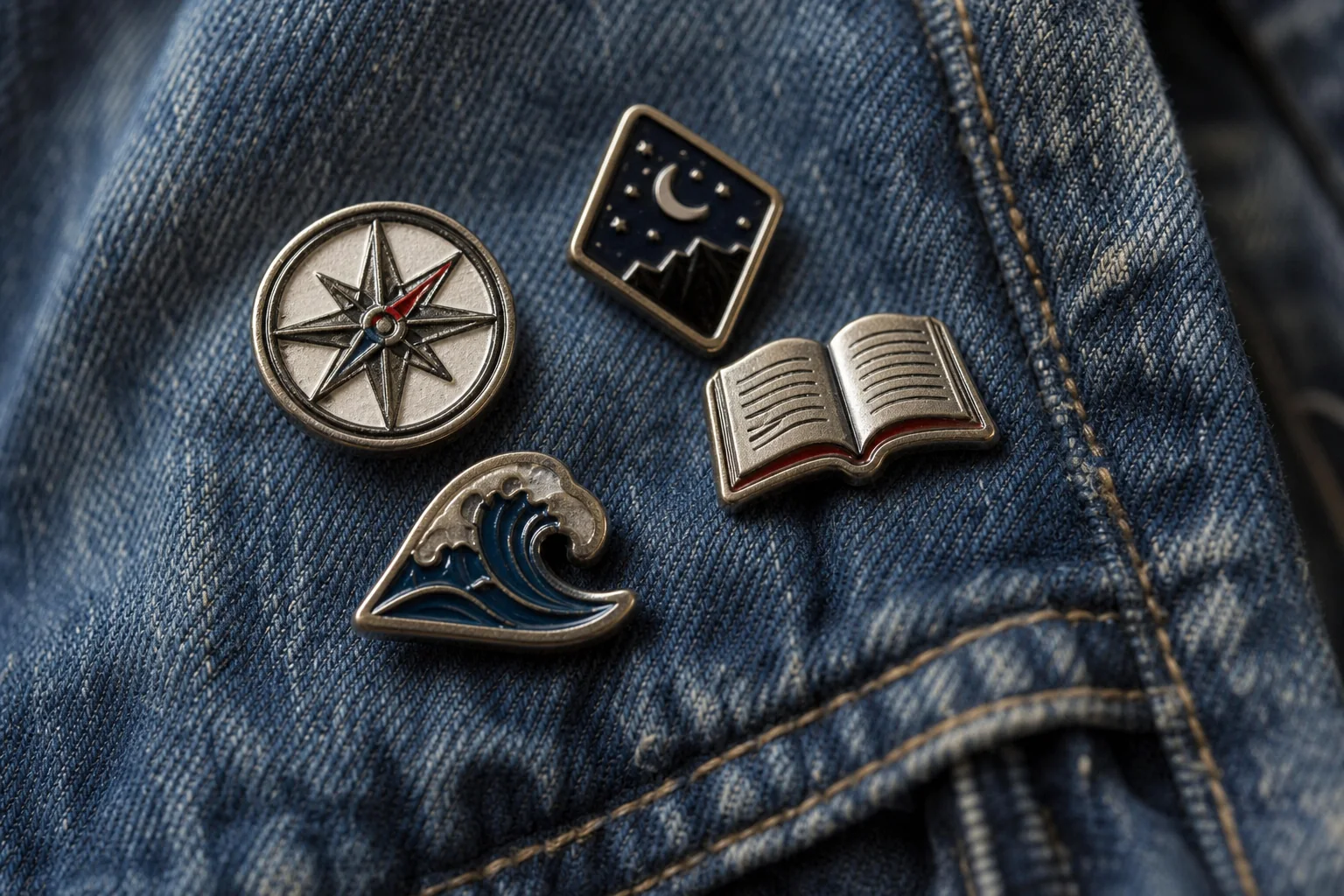
The same alumni pin can express a connection to a school and recall a particular reunion. A personal design can combine an interest, a memory and a message of support.
For a purchasing team, start with the most important message. Then arrange the logo, wording and commemorative elements around it.
A shared emblem, a personal interest, a cause or a memory can all find a place on clothing and bags.
Schools, teams, associations and workplaces can use a shared emblem to express a connection. Matching pins also make it easier for members to recognize one another.
Music, illustration, travel, humor or a private symbol can become a small part of a jacket or backpack. The wearer chooses what they want other people to notice.
A pin can carry support for a cause, volunteer activity or shared initiative. A clear theme and recognizable artwork help other people understand what that support means.
After an event, a journey or a period of school life ends, the pin can remain. It may keep being worn or move into a collection as a reminder of the experience.
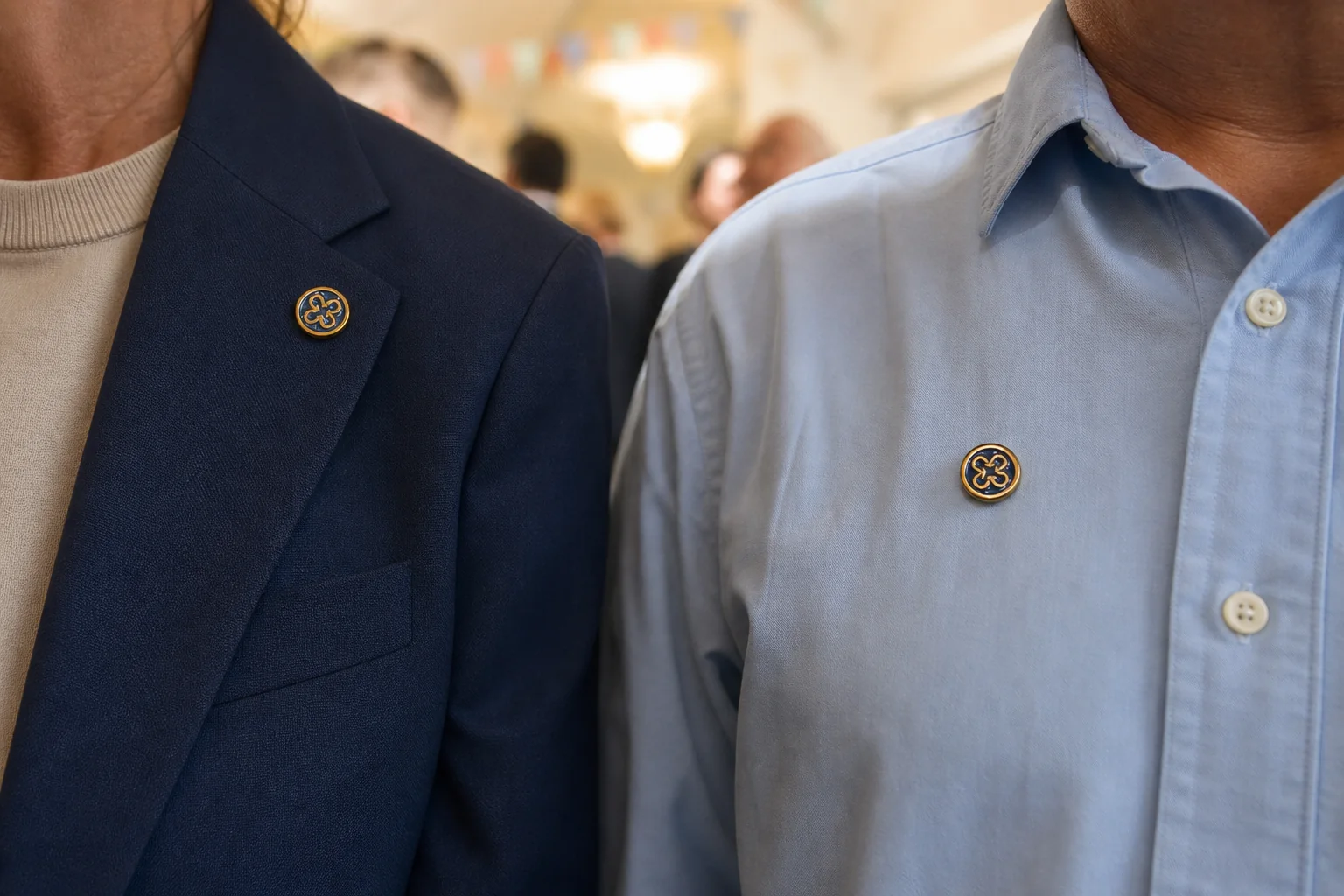
Lapels, shirts, hats and bags can all carry a pin. Their fabric thickness, space behind the material and movement during use are different, so the same specification may not suit every location.
For a school or company order, assess the pin on the intended uniform or hat as well as looking at its front on a desk.
| Location | What to confirm | What to look for on a sample |
|---|---|---|
| Suit lapel or formal jacket | Proportion, post position and space for the backing | A flat, clear display without obstructing the lapel or visibly pulling the fabric |
| Shirt or lightweight knit polo | Pin weight, fabric support and post-to-backing fit | No obvious sagging, pressure or rubbing against the skin when worn |
| Hat | Interior space, placement and stability during movement | No obvious pressure inside the hat when turning the head and walking |
| Fabric bag or denim jacket | Material thickness, access to the back and whether the pin turns | Secure engagement and a suitable orientation during normal use |
Swipe the table to compare locations and sample checks.
For formal jackets, the left lapel is a common convention. Match the placement to the garment and any organizational dress requirements; it is not one rule for every item. See PinMart’s placement guidance. On hats and bags, start with a reasonably flat area where the backing is accessible and the pin will not obstruct everyday use.
A public secondary school’s alumni association in Singapore was preparing commemorative pins. Alumni planned to wear them on formal shirts and lightweight knit polo shirts, with some also intending to attach them to canvas hats. The customer initially wanted butterfly clutches with longer posts throughout, using one configuration for all these locations.
During selection, we highlighted the space behind garments worn against the skin and inside hats. Post length needs to work with the backing and fabric so the tip is properly covered once fastened and the inside does not create obvious pressure. A longer post does not automatically make the pin more suitable for those locations.
The pin was small and light, and this project did not add a second post.
The association reported that the shirt configuration was comfortable without poking the skin, while the hat configuration stayed reasonably stable during running and movement. The customer then placed the order with the two backing configurations specified separately.
The same front design can stay consistent while the posts and backings are confirmed for different wearing locations. For purchasing, that means listing the quantities for each configuration clearly. For the wearer, it means receiving a version selected for the way they will use it.
A larger pin offers more room for the artwork, but its proportions and support need checking on a narrow lapel or light fabric. A smaller pin can be discreet, provided the logo and lettering remain readable. Compare a true-size artwork print with the intended garment before deciding to enlarge it.
Two posts can help limit rotation, but add puncture points and fastening steps. If the sample already sits steadily on its intended material, there is no need to add posts simply as an upgrade.
Post length also needs the right fit. A post that is too short may leave insufficient length for the backing to engage. Extra length and the backing’s bulk should be checked on the actual garment or hat.
A rubber clutch grips the post through friction; a butterfly clutch uses a spring mechanism. Look at the particular post, backing, material and wearing result rather than treating one type as a guarantee for every use. Our pin backing guide compares the options in more detail.
Try the planned shirt, polo, hat or bag rather than relying only on a generic fabric swatch.
Look for clear artwork, a suitable position and any sagging caused by the weight.
The backing should engage correctly, cover the tip and avoid obvious pressure or rubbing on the inside.
Walk, turn the head, put the garment on and take it off, or handle the bag as intended. Watch for turning, loosening or interference with normal use.
If clothing and hat versions differ, list the posts, backings, quantities and packing labels for each configuration.
A post passes through the material and may leave a small hole. Assess light, loosely woven or delicate fabric in an inconspicuous area first. Repeated pulling or piercing the same spot can add stress to the material. See PinMart’s fabric and wearing guidance.
If piercing the garment is undesirable, assess a magnetic option against the fabric thickness, pin weight and intended use. Confirm the suitable arrangement on a sample before approving the bulk configuration.
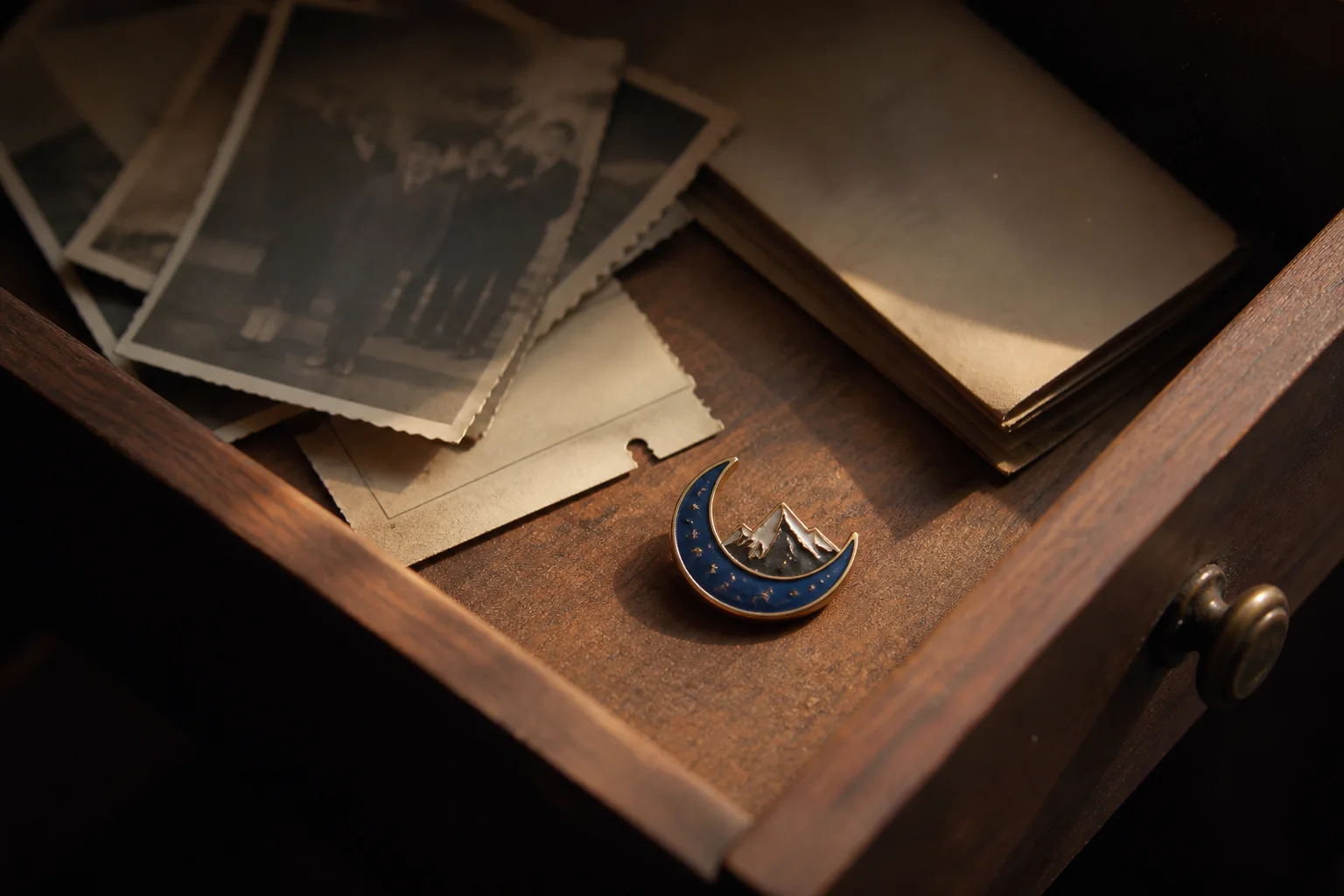
A pin does not have to stay on the original garment. It can move to another jacket or bag, or into a collection book, backing card or display.
For an alumni association, event organizer or brand, a useful question is whether the recipient will still recognize the organization and experience after leaving the event.
Some want to express identity, interests or support publicly; others keep pins as reminders of events or travel. Wearing and collecting can alternate rather than being a permanent choice between the two.
The left lapel is common on formal jackets, but clothing, hats and bags do not all follow one placement rule. Consider the item’s construction, organizational dress requirements and intended use.
Sometimes, but try it on both. Differences in fabric thickness and space behind the material may call for a different post length or backing. The alumni project in this guide used two configurations.
Size alone is not enough to decide. Consider weight, shape, balance, post position and the item being worn. If the pin turns during use, assess two posts or another stabilizing arrangement.
Planning a custom pin? Send Extra Dream your artwork and the shirt, hat or bag it will be worn on, together with the quantity and required date. We can discuss the size, posts and backing while confirming the appearance.