
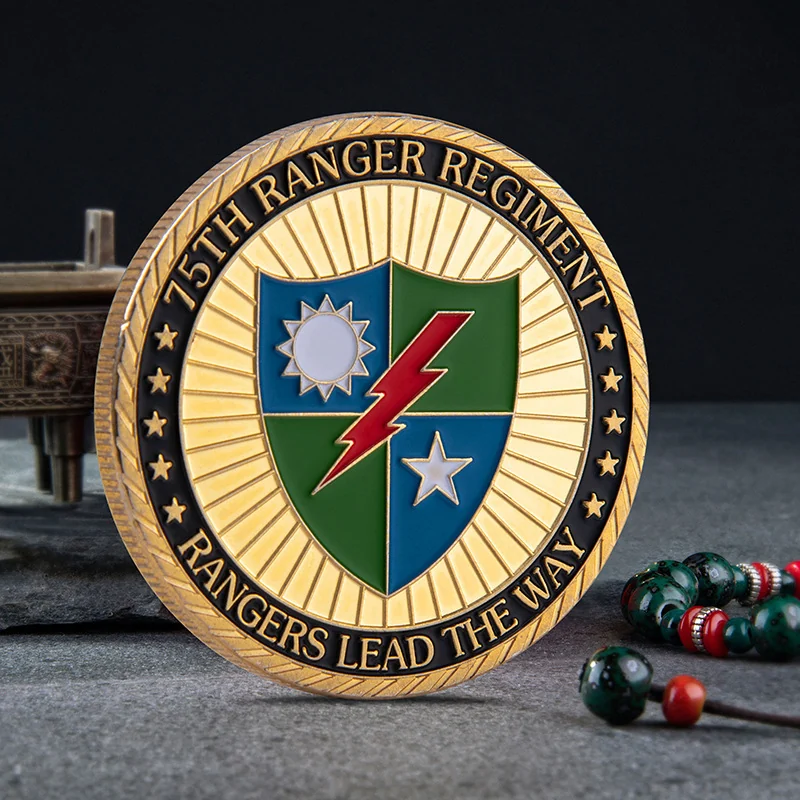
Color and metal boundaries
The large color fields and visible metal lines show how a symbol can be organized. Mark which colors, contours and lettering must stay, and ask the factory to review the small details at the finished size.
Custom manufacturing · Bulk projects
For recognition, shared identity and milestones worth keeping. Build your coin around the message, the recipient and the way it will be presented.
Artwork → sample approval → bulk production
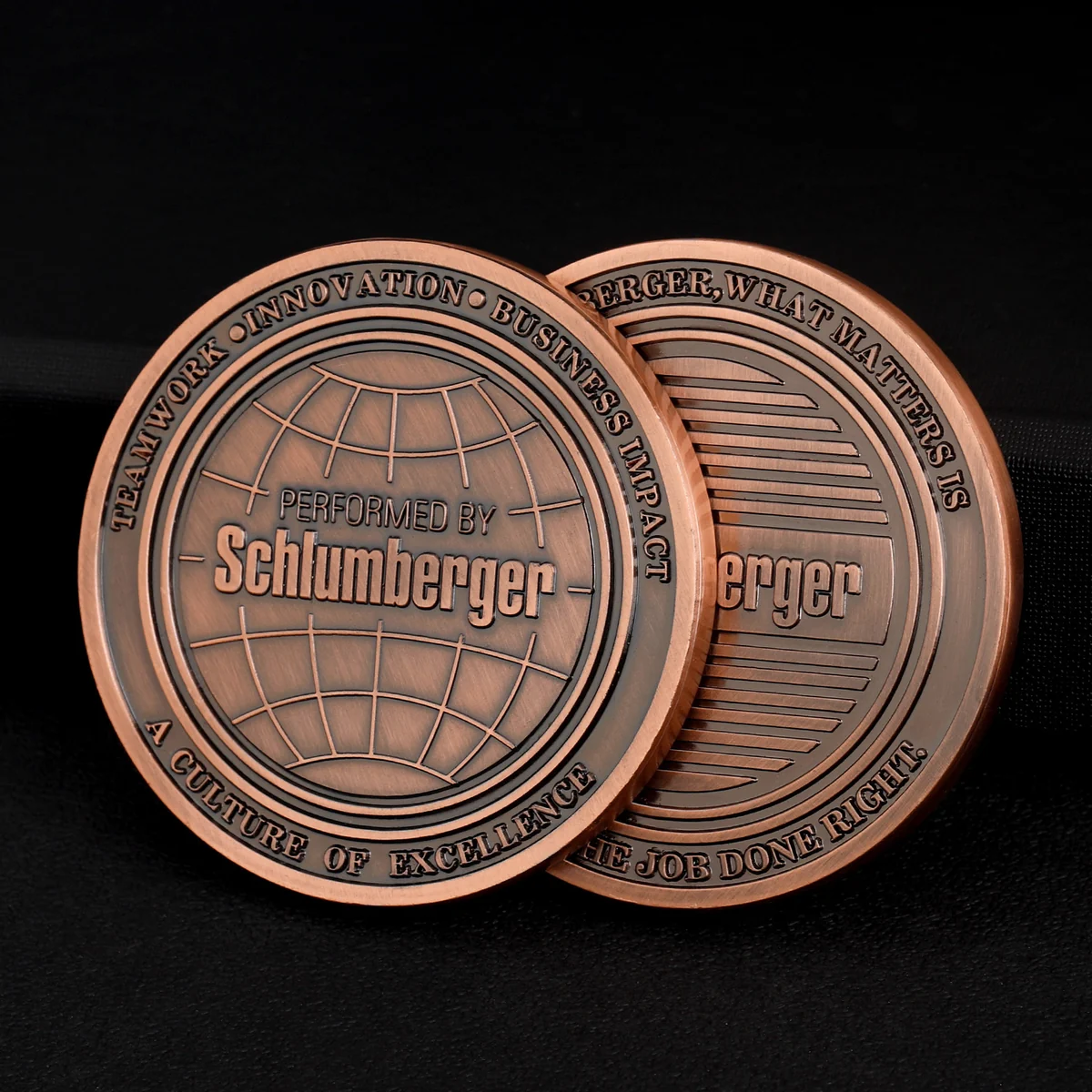
Find your direction
Compare a broad range of visual references before deciding which details matter for your own project.

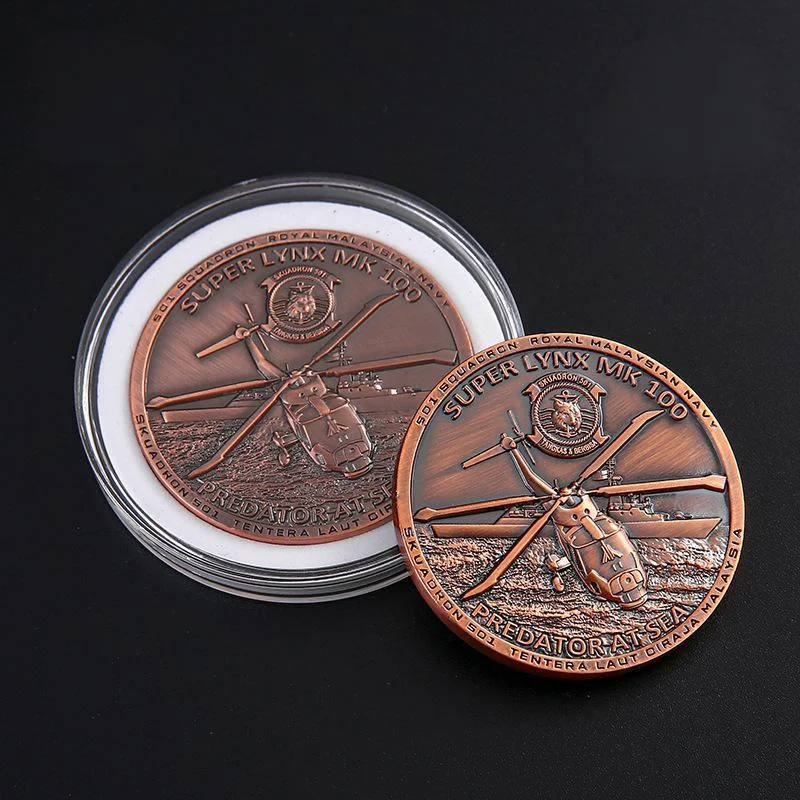
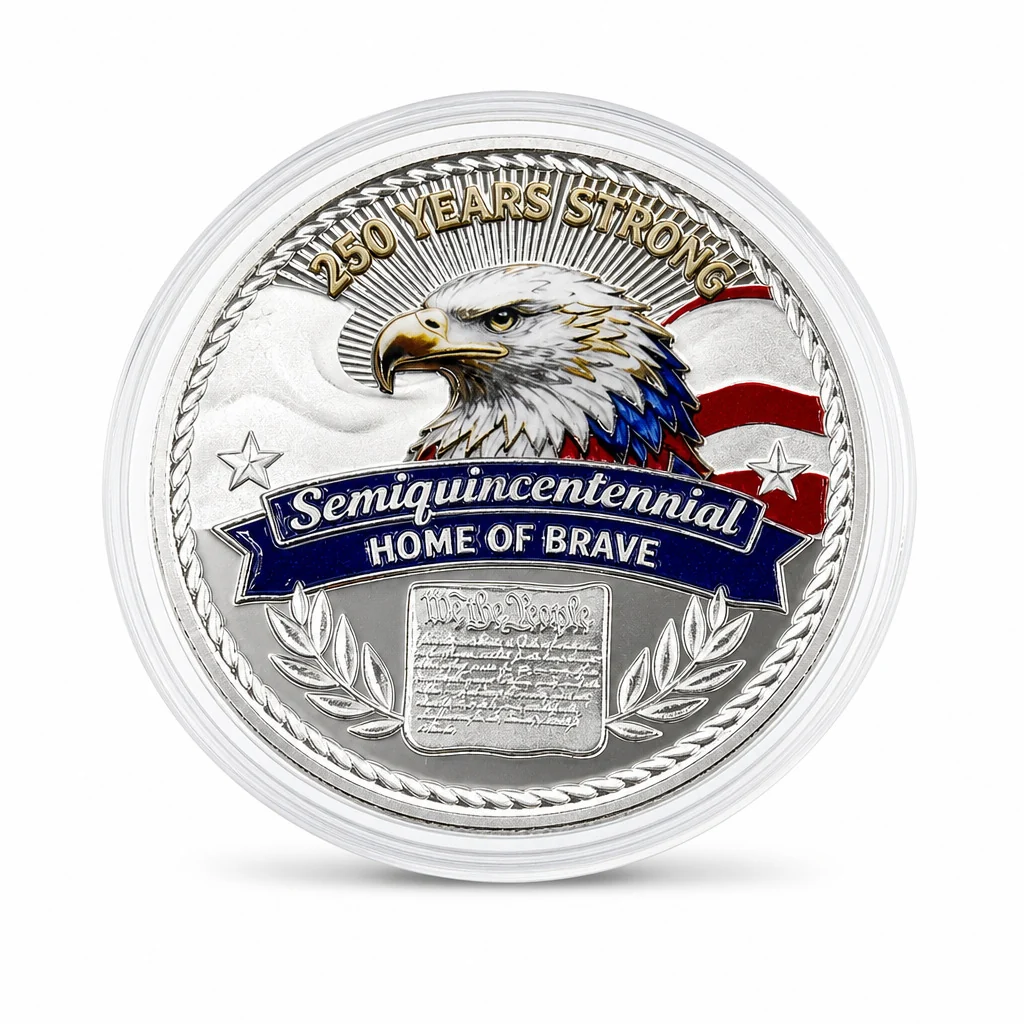
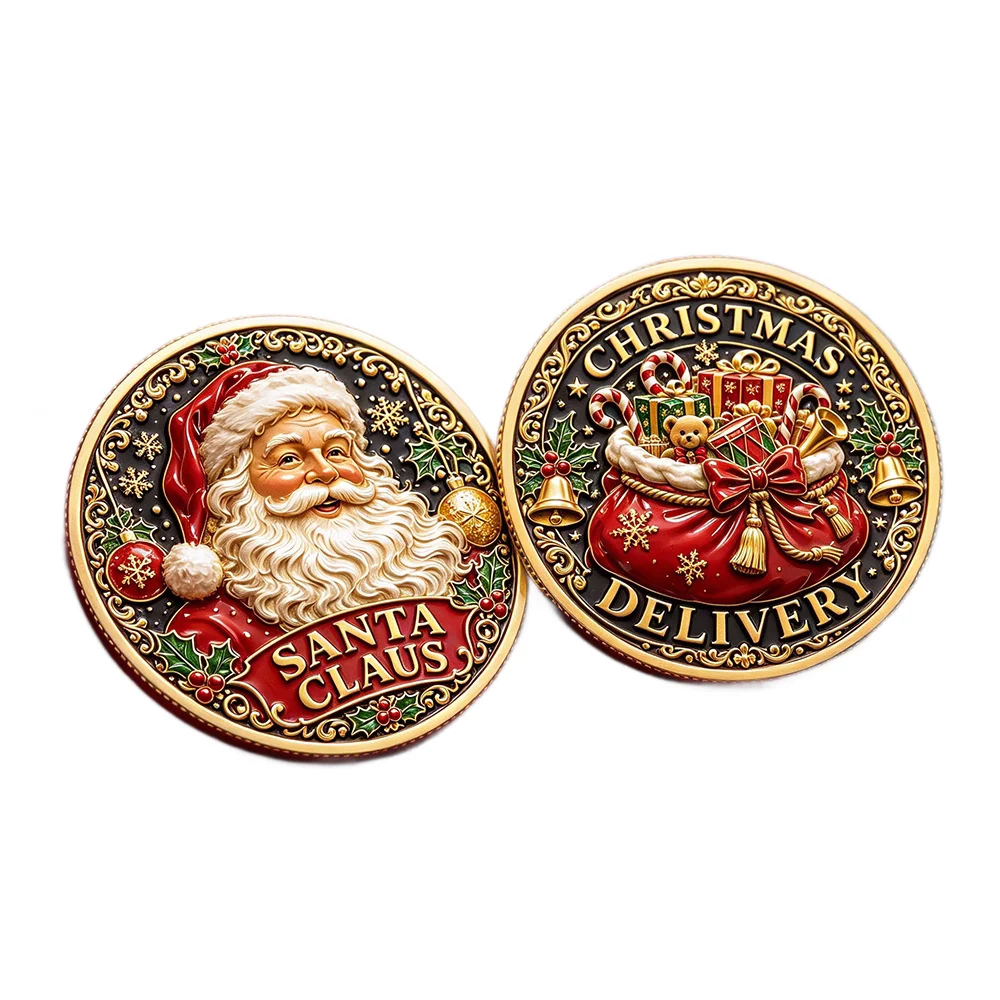
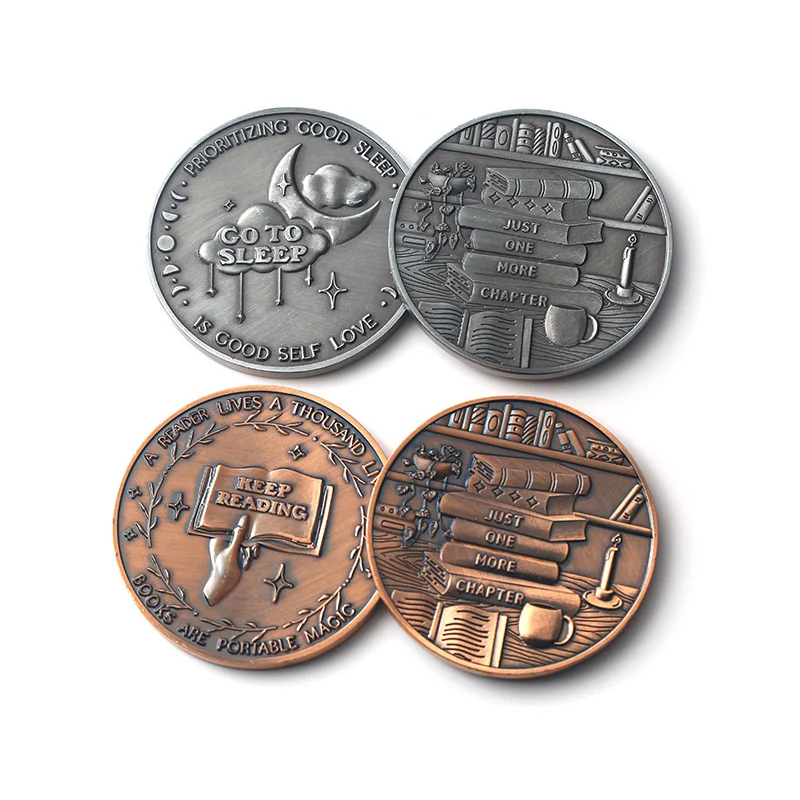
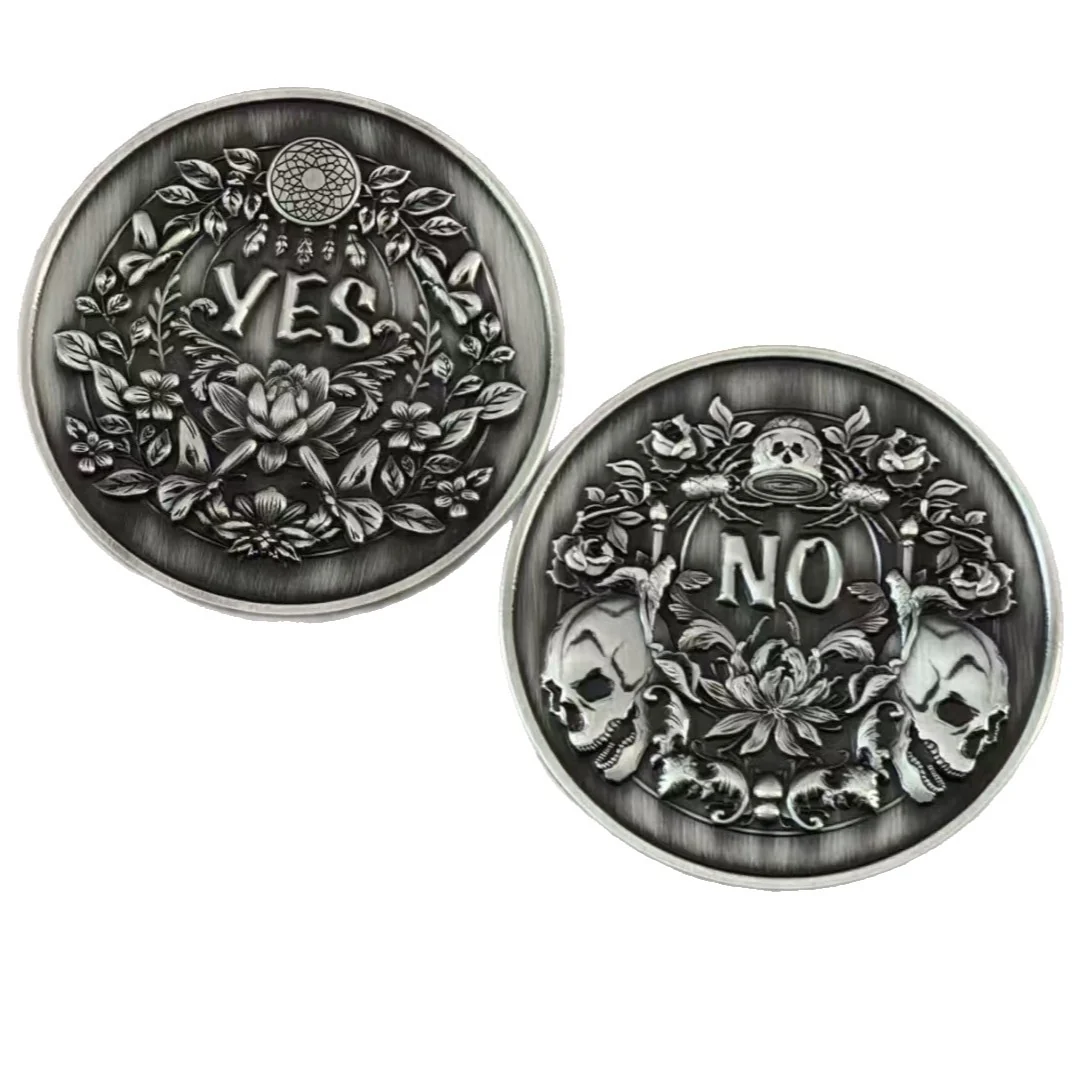
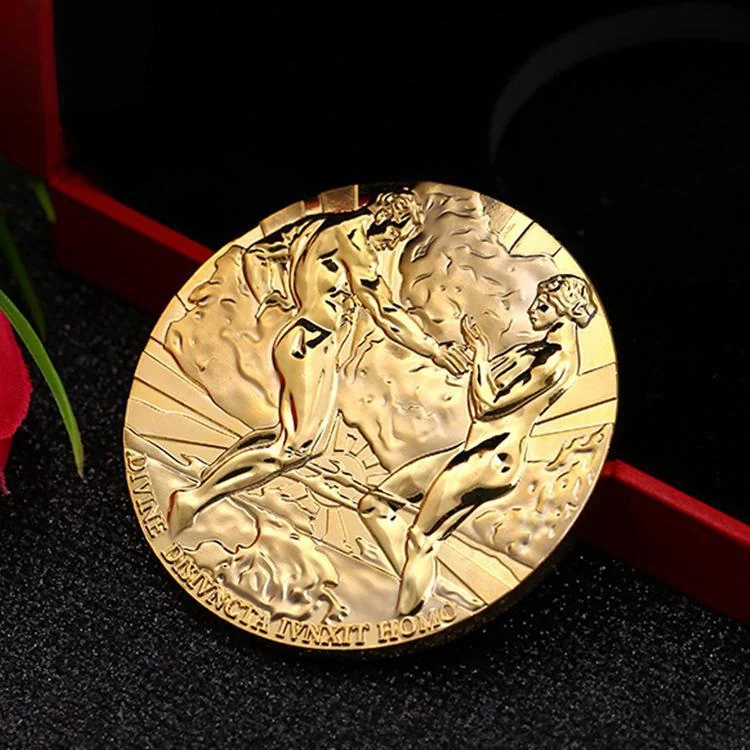
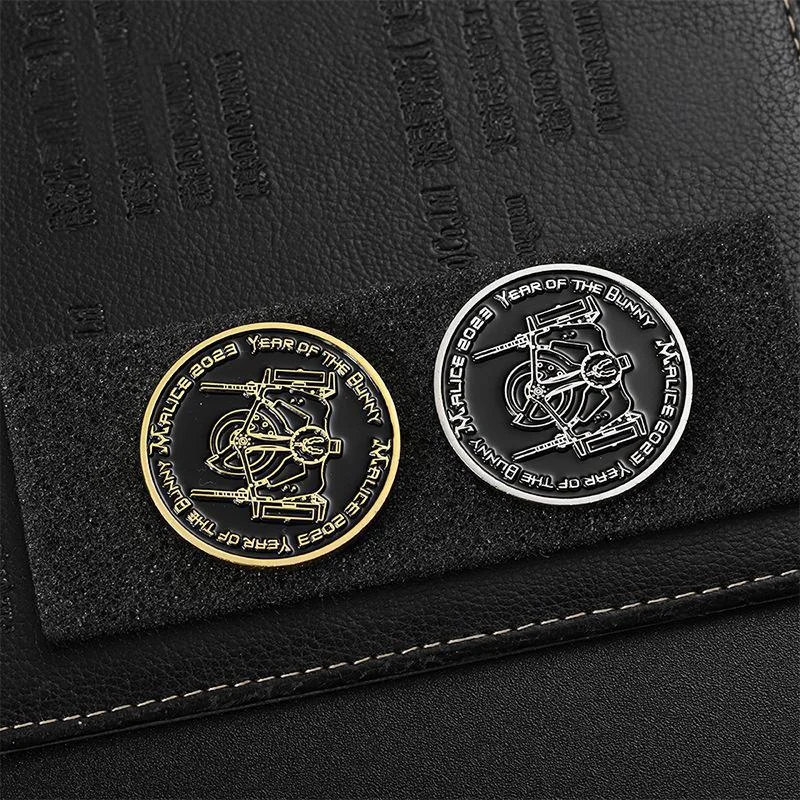
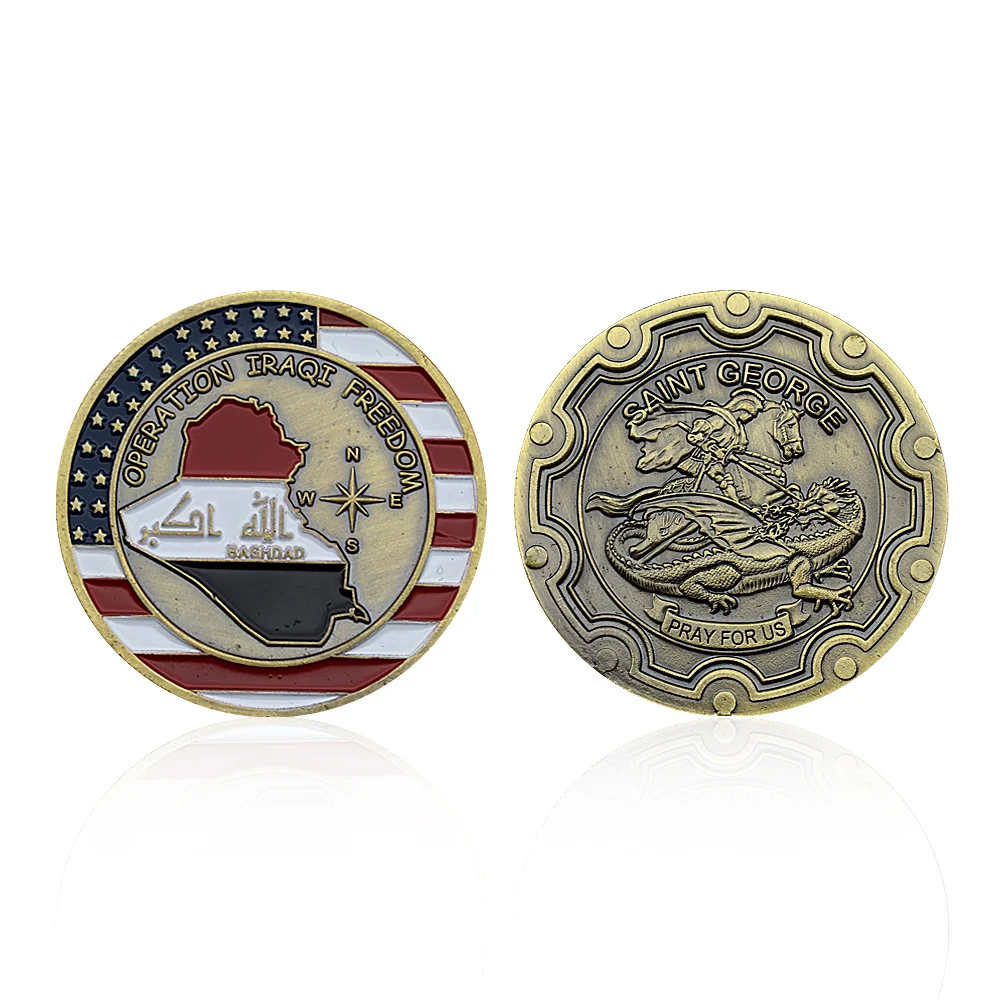
Images are design references for discussing layout, relief, color and presentation. Final materials, processes and specifications are confirmed through artwork and sample approval.
For game components, compare metal game coin sizes, denominations and finishes. For Geocaching projects, review trackable geocoin codes and production checks. Confirm specifications and data requirements for each intended use.
Look more closely
Describe what you want the recipient to notice. Then agree how to achieve it within the practical limits of the design, budget and manufacturing process.
The large color fields and visible metal lines show how a symbol can be organized. Mark which colors, contours and lettering must stay, and ask the factory to review the small details at the finished size.
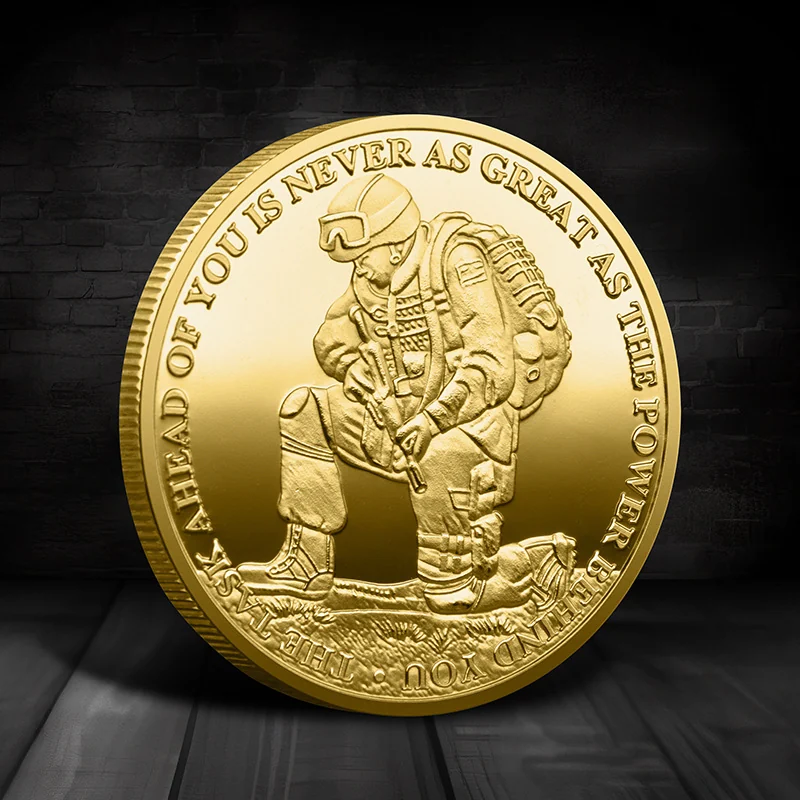
A figurative scene gives a useful reference for the desired visual depth. Agree which elements need modeling, which may remain flatter, and what must be checked on a physical sample.

The outer wording, textured border and visible edge compete for space. Check the reading order at actual size before adding more text or reducing the overall dimensions.
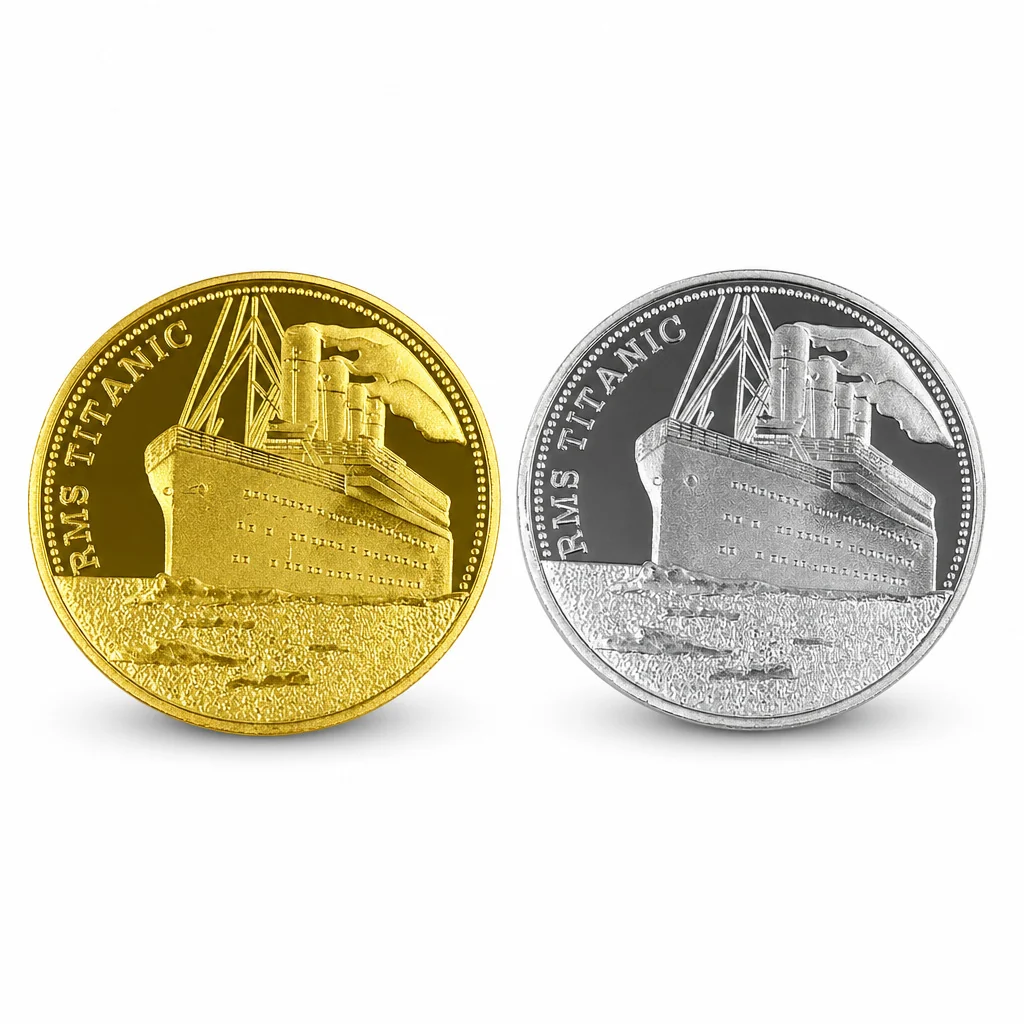
A shared ship motif makes the change in appearance easier to discuss. Use the photo to explain the direction, then confirm the actual finish, reflectivity and acceptable appearance on the agreed sample.
Coin specifications
See bright and antique plating, 2D and 3D relief, color processes and presentation boxes in our visual metal finish and process guide.
Choose material according to weight, detail and cost.
Raised and recessed areas create tactile depth.
Gold, silver, copper, nickel and dual-tone directions.
Discuss edge text, numbering, capsules, pouches or boxes.
Company recognition, project commemoration and partner gifts can all begin with a custom coin. Compare the recipient's experience before choosing the format. Neither a medal nor a challenge coin is automatically cheaper: construction and the complete delivery scope determine the quotation.
| Purchase priority | Format to review | Confirm together |
|---|---|---|
| Ribbon presentation and wearing | Custom medal | Ribbon, attachment, wearing fit and distribution packing. |
| Hand-to-hand recognition or a boxed gift | Challenge or commemorative coin | Dimensions, weight, message and the complete presentation. |
| Keeping, carrying or collecting | Coin, with a suitable protective or display format | Handling, overall relief height and the selected pouch, capsule or insert. |
For employee awards, define the contribution being recognized, recipient group and presentation method before making separate versions for years, departments or service levels. Changing information may belong on an agreed personalization area, card or packaging instead. Quote each option and quantity separately; do not assume all versions share tooling or minimum quantities. Confirm the approved name list, freeze date and matching process.
See the Australian railway employee-recognition coin project that selected boxes for the gift presentation. For another recipient context, review the Norwegian rescue-recognition project's artwork, numbering and presentation-box decisions.
Check wording at actual size and distinguish the jobs of the flat artwork, relief plan and physical sample. Mark how the reverse aligns when the coin is turned, the agreed metal color, relief levels and edge treatment. An enlarged logo alone does not define the finished piece.
| Measurement | Meaning | Purchase check |
|---|---|---|
| Rim / edge thickness | The coin body's thickness at the specified edge measurement point. | Identify the point and confirm edge treatment and intended feel. |
| Maximum overall thickness | The greatest thickness of the finished coin, including the highest relief on both faces as applicable. | Check capsule or insert clearance against this measurement and the final outline. |
Compare the Kazakhstan energy-project coin that simplified equipment references and divided the two faces' messages, the Iceland field-research coin that kept its 45 mm diameter while reducing edge thickness from 3 mm to 2 mm, and the German construction-equipment coin's change in forming method and color-area planning.
If a sample differs from expectations, compare it with the approved files first. Separate a manufacturing deviation from a new design request before agreeing artwork changes, tooling work, resampling, charges and the revised schedule.
The same outline does not mean the year, wording or relief is unchanged. A year formed into a coin face may require tooling work; a color change also needs a review of boundaries and later processing. Check the previous order, artwork version, tool availability, retention period, condition and the terms already agreed.
Ask for separate explanations of tool modification or replacement, sampling, production setup and unit manufacture. A saved artwork file does not prove the physical mold remains usable. Paying a tooling charge does not by itself establish permanent storage, ownership or transfer rights; confirm these terms in writing.
For the wider cost decision, compare the 80 mm challenge-coin project's specification and budget trade-offs. Reusing a tool does not make the remaining production, decoration or packing cost disappear.
Customer feedback
Customers share their experiences with different coin designs, finishes and uses.
Customer names are abbreviated for privacy. Reviews were shared with Extra Dream and relate to the individual coin designs named above. The Russian-language review includes an English translation and its original text.
Purpose, recipients and presentation method:
Quantity for EACH design / award level / version:
Front and reverse artwork, text and turning direction:
Diameter OR maximum width and height:
Rim thickness AND maximum overall thickness requirements:
Material, finish, relief and color direction:
Names / dates / numbering and approved list owner:
Pouch, capsule or box and insert:
Previous order reference and marked changes, if reordering:
Destination and required receipt date:
Physical sample and approval requirements:
Select and copy the checklist, or use the copy button when available.
Send your artwork or reference, quantity, intended use and delivery destination. Tell us what must stay and where you would welcome a practical alternative.
Challenge coin FAQ
Options include bright, matte, antique and dual-tone gold, silver, copper and nickel finishes.
Yes. Edge text, numbering and selected edge patterns can be discussed during artwork review.
No. Select the diameter for the artwork detail, thickness, presentation and target budget. Compare practical ranges in our challenge coin size guide, or send the design and intended use for a recommendation.
Dimensions, thickness, relief, finish, enamel, edge details, packaging and order quantity all affect a quotation. We quote against the complete specification instead of advertising a misleading one-price answer.
Our standard MOQ is 500 pieces per design.
Vector artwork is preferred, but a clear image can be reviewed first. Include size, quantity, finish and delivery country.
Confirm the maximum overall thickness, including the highest relief, as well as the rim thickness and final outline. The rim measurement alone does not establish the required clearance.
No. Confirm the artwork, wording, relief, tool availability, condition and the storage and reuse terms agreed for the previous order.