
Inside the manufacturing process
How custom challenge coins are made.
A coin moves through artwork review, relief planning, tooling, sampling, metal production, finishing, inspection and packing. Buyer approvals connect these stages.

The most important control points happen before mass production: confirm the specification, approve the production artwork, review the sample and define the packing standard. Manufacturing then follows those agreed references.
Start with the use case, not only the logo
A pocket coin, presentation coin, retail collectible and commemorative giveaway can share similar artwork but require different decisions about size, weight, edge, finish and packaging. A useful inquiry identifies the audience and distribution method before technical artwork begins.
- Organization, event or program the coin represents
- Target quantity and possible reorder plan
- Preferred diameter, thickness and weight direction
- Front, back and edge content
- Relief, finish and color direction
- Capsule, pouch, box or other presentation requirement
- Destination country and required delivery date
Eight stages from artwork to shipment
1. Requirement and artwork review
The factory checks the intended size, material direction, front and back artwork, text, edge requirement, finish, color and packaging. Small text and fine divisions are reviewed at physical scale, not only on screen.
2. Production artwork and relief planning
Artwork is translated into raised, recessed, polished, textured and colored areas. A 2D construction uses defined levels; a 3D construction uses more sculpted transitions. Edge text, numbering and orientation are also documented when included.
3. Tooling preparation
After production artwork approval, the required tooling is prepared for the custom design. Tooling is a project-specific setup, so artwork changes after this stage may require additional work or replacement tooling.
4. Sample production
A sample allows the buyer to review physical size, relief, surface, color, edge details and presentation. At Extra Dream, a typical sample takes 7–10 days after artwork and specifications are confirmed.
5. Sample approval
The buyer records approval or provides a consolidated revision list. The approved sample—or another clearly agreed sample standard—becomes the production reference. This is the point to resolve design preferences before quantity is produced.
6. Metal production and finishing
Coins move through the applicable forming, trimming, polishing, plating, color and protective steps. The exact route depends on material, relief, finish and whether enamel or printing is specified.
Die striking: form the design in solid metal
A prepared metal blank is pressed between engraved dies to create the front and reverse relief. Brass is one possible material for this route. It is worth discussing for traditional coin shapes and defined relief; more sculpted designs depend on the material, tooling and press operations. Blanking creates the outline, while striking forms the design.
Die casting: form the shape from molten alloy
Molten alloy is injected into a reusable metal die, allowed to solidify and then removed. Zinc alloy casting can be considered for complex outlines and sculpted forms. Gate removal, trimming and surface preparation follow before the specified finish. Casting is an alternative forming route, not an extra step required after striking.
Finishing follows the approved construction
After forming, the specified route may include polishing, plating, enamel or printed color, and an optional protective layer. Both struck and cast pieces can use relief and color; neither process is automatically the better-quality choice. Confirm the material, design and finished sample together. Our metal finish guide shows the visual options.
Watch the existing blanking, brass stamping, finishing and packing clips →
These clips show individual operations, not one coin passing through every stage. The route for your order depends on its approved specification.
General process references: U.S. Mint: coin production and Dynacast: die casting. These explain manufacturing principles, not Extra Dream production specifications.
7. In-process and final inspection
Checks compare production against the approved reference. Dimensions, orientation, surface appearance, color, edge details, accessories and quantity are reviewed at relevant stages rather than relying only on a final glance.
8. Packing and shipment preparation
Coins are placed into the agreed individual packing or presentation packaging, counted and prepared for shipment. Carton labels and other buyer-provided packing requirements should be confirmed before this stage.
The three approvals that protect the project
| Approval | What the buyer checks | Why it matters |
|---|---|---|
| Specification approval | Dimensions, material, finish, color, edge and packaging | Defines what the quotation and schedule cover |
| Production artwork approval | Front/back layout, text, relief levels and orientation | Allows tooling to begin from a controlled document |
| Sample approval | Physical appearance, function and presentation | Creates the practical reference for mass production |
When several stakeholders are involved, collect their comments into one revision list. Conflicting feedback from different email threads is a common source of delay and avoidable artwork versions.
Where finish decisions enter the process
Finish is not a cosmetic choice added at the end. It affects how relief reads, how color is separated and how the edge appears. Bright plating emphasizes clean polished areas, while antique treatments can increase contrast between raised and recessed detail. Dual-tone work requires especially clear artwork instructions.
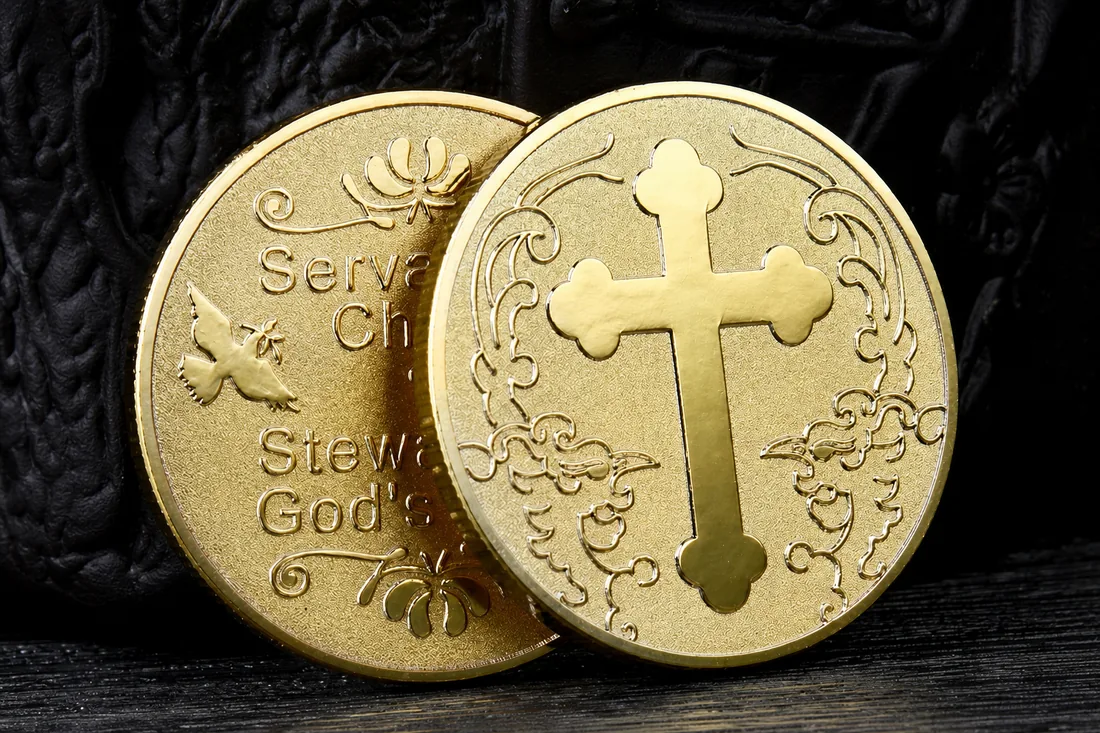
Relief
Raised and recessed metal creates the tactile design structure.
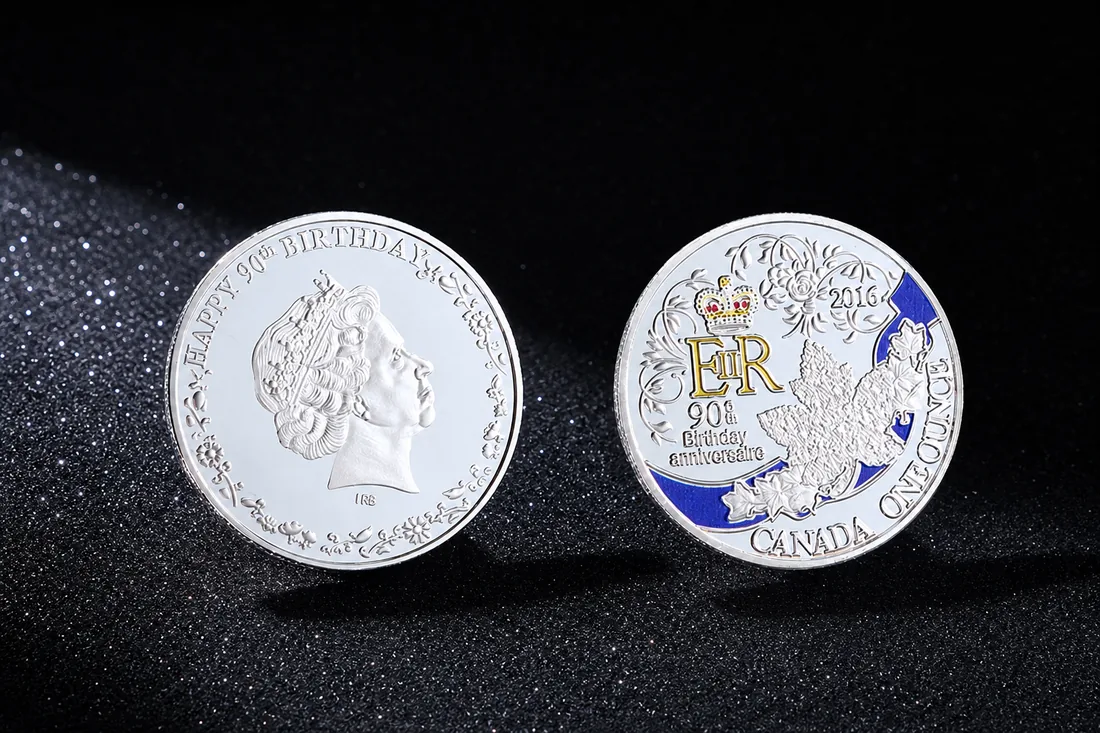
Color
Enamel or printing introduces brand and collectible detail.
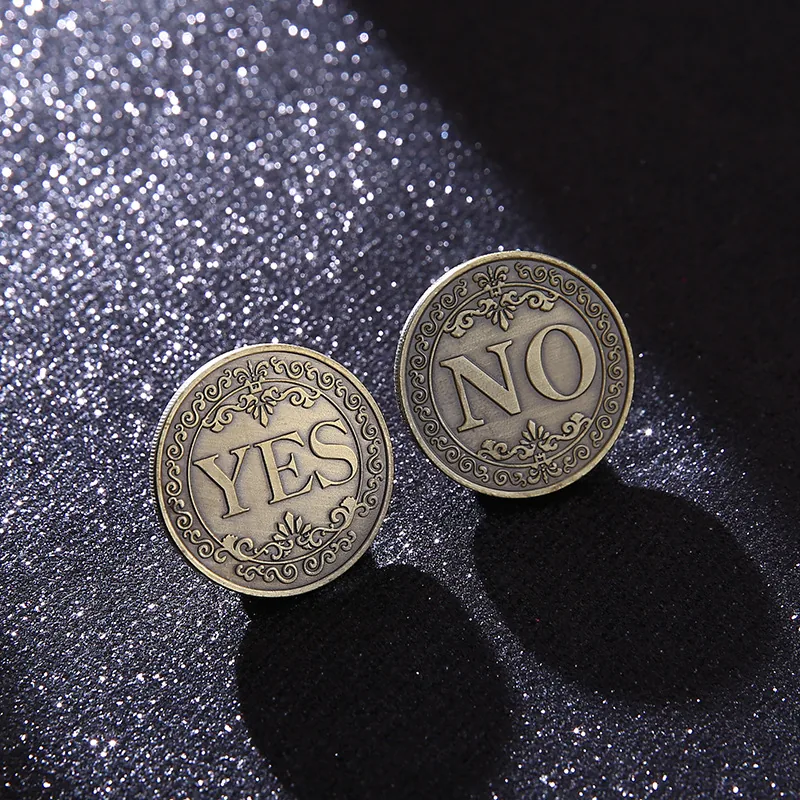
Antique contrast
Darkened recessed areas can make relief easier to read.
What quality control should compare
Quality control is most useful when it refers to agreed requirements instead of an undefined idea of “good quality.” The inspection plan should match the product.
- Diameter, thickness and overall shape
- Front and back orientation
- Relief clarity, text and spelling
- Plating coverage and intended surface effect
- Color placement and appearance against the approved reference
- Edge text, numbering or pattern where specified
- Capsule, pouch, box or other accessories
- Individual packing, quantity and carton identification
How to build a realistic schedule
Work backward from the date the coins must arrive—not the date the event begins. Allow time for artwork review, stakeholder approval, tooling, sampling, sample delivery if required, mass production, final inspection and transport.
A typical Extra Dream sample takes 7–10 days after artwork and specifications are confirmed. Mass-production and shipping timing are quoted for the specific order because quantity, finish, packaging and destination vary.
If the date is fixed, share it with the first inquiry. A factory cannot protect a deadline it does not know.
Process FAQ
Questions buyers ask before production.
How long does a custom challenge coin sample take?
A typical sample takes 7–10 days after artwork and specifications are confirmed.
When should the buyer approve the coin design?
Approve the production artwork before tooling and approve the physical sample or agreed sample standard before mass production.
Can artwork be changed after tooling starts?
Some changes may require tooling modification or replacement. Submit consolidated artwork feedback before tooling approval whenever possible.
What is checked before challenge coins are packed?
Checks can include dimensions, orientation, relief, finish, color, edge details, quantity, accessories and packaging against the approved standard.
Continue planning
Compare coin options and factory capability.

Custom challenge coins
Review relief, finish, edge, color and presentation options.
View custom coin options →
Planning a medal instead?
Use the medal design guide to prepare artwork and specifications.
Read the medal design guide →