
Artwork and specification guide
Design a custom medal that is ready to manufacture.
A strong brief connects the visual idea to dimensions, relief, finish, ribbon, packaging and approval requirements.

Before requesting a quote, define the medal's purpose, quantity, target size, front and back artwork, relief direction, finish, color, ribbon, packaging and delivery destination. A factory can then recommend a practical construction instead of guessing from the logo alone.
The nine-part medal brief
The following information is enough to begin a useful manufacturing discussion. It does not need to be a finished technical drawing.
- Purpose: race, sports league, recognition, school, club or promotional program
- Quantity: expected order quantity plus any likely reorder
- Dimensions: target width or diameter and preferred thickness
- Front artwork: logo, event name, date, text and visual hierarchy
- Back artwork: second design, event details, numbering or a plain surface
- Surface: 2D or 3D relief, cut-outs, texture and plating direction
- Color: enamel, print, epoxy and color references where required
- Ribbon and packaging: attachment, ribbon branding and presentation
- Delivery: destination country and date the goods are needed
A clear sketch, PDF or reference image can start the review. Editable vector artwork is preferred before final production artwork is approved because lines, text and color areas can be checked more accurately.
Translate screen artwork into metal
A medal is not a printed poster. Borders become metal walls, recessed areas hold color, raised areas catch light, and small details must survive polishing and plating. Artwork should therefore be evaluated at the intended physical size.
Build a clear visual hierarchy
Decide which element should be noticed first: event name, logo, year, location or achievement. One dominant element with supporting detail usually reads more clearly than several elements competing at the same scale.
Review small text and thin lines
Text that looks readable on a large monitor may lose clarity after it is reduced. Provide original fonts or converted outlines, and allow the factory to flag details that need enlargement or simplification.
Separate metal and color intentionally
For enamel construction, metal borders divide color areas. If the design depends on gradients, photographs or extremely fine color changes, discuss printing rather than forcing every visual into enamel cells.
Plan the front and back together
The reverse side can carry sponsor names, event dates, a slogan, numbering or a second emblem. Confirm orientation so the back appears correctly when the medal hangs from the ribbon.
Choose the construction around the artwork
| Option | Best used for | What to confirm |
|---|---|---|
| 2D relief | Logos, lettering and clear raised/recessed levels | Which areas are raised, recessed, polished or colored |
| 3D relief | Faces, mascots, architecture and sculpted forms | Depth direction, viewing angle and level of modeling |
| Cut-out | Open shapes and designs that need a lighter visual structure | Strength around narrow bridges and ribbon connection |
| Enamel color | Bold brand colors and separated graphic areas | Color references and metal border treatment |
| Printing | Fine detail, gradients or photographic elements | Print area, protective layer and expected appearance |
| Antique finish | Relief that benefits from stronger light/dark contrast | Which recessed areas should retain the darkened effect |
Construction decisions interact. A detailed 3D design, for example, may depend more on sculpted metal and antique contrast than on many enamel colors.
Make the ribbon part of the product
The ribbon affects both appearance and use. Confirm its width, material direction, color, print, connection hardware and finished hanging length. For an event medal, consider how the ribbon will look in photographs and whether sponsor or event branding must repeat around the neck.
Common presentation directions
- Stock-color ribbon for a clean, economical program
- Custom printed ribbon for event names, dates and sponsor marks
- Short loop or alternative attachment for products that are not worn
- Individual protective bag for efficient distribution
- Backing card, pouch or box for retail and presentation
Packaging should be selected before quotation because it changes assembly work, carton volume and shipping weight.
What to approve before production
The approved sample or agreed sample standard becomes the practical reference for mass production. Review it under normal light and check more than the front image.
- Overall width, height, thickness and weight direction
- Front and back orientation
- Spelling, dates, numbering and sponsor marks
- Raised, recessed, polished and textured areas
- Plating tone and color appearance
- Cut-out edges and attachment strength
- Ribbon print, direction and connection hardware
- Individual packing, labels and carton marks
Record the approved appearance clearly. If a color, texture or antique effect is intentionally variable, agree on the acceptable visual range before mass production rather than relying on memory after delivery.
A quote request you can copy
Product use: [event / club / recognition]
Quantity: [pieces]
Target size: [width or diameter]
Artwork: [attached]
Finish and color: [preferred direction]
Ribbon: [stock or custom printed]
Packaging: [individual bag / card / box]
Destination: [country and postal code]
Required date: [date]
Include reference images only to explain a direction. Your own artwork and specifications should remain the basis of the quotation and sample.
Design FAQ
Questions before artwork approval.
Do I need finished vector artwork to request a quote?
No. A clear sketch or reference image can begin the discussion, although editable vector artwork is preferred before final production artwork is approved.
Should I choose 2D or 3D relief?
Use 2D relief for clear raised and recessed levels and 3D relief for sculpted, rounded forms. The choice should follow the artwork and viewing size.
Can a medal use both enamel and printing?
Combined treatments may be possible depending on the construction. Identify which details require solid enamel color and which require printed fine detail during artwork review.
What should I approve before mass production?
Approve dimensions, front and back artwork, colors, plating, ribbon, attachment, packaging and the physical sample or agreed sample standard.
Continue planning
Check cost factors and product examples.

Custom medal cost guide
Learn which specifications have the greatest effect on the quotation.
Read the cost guide →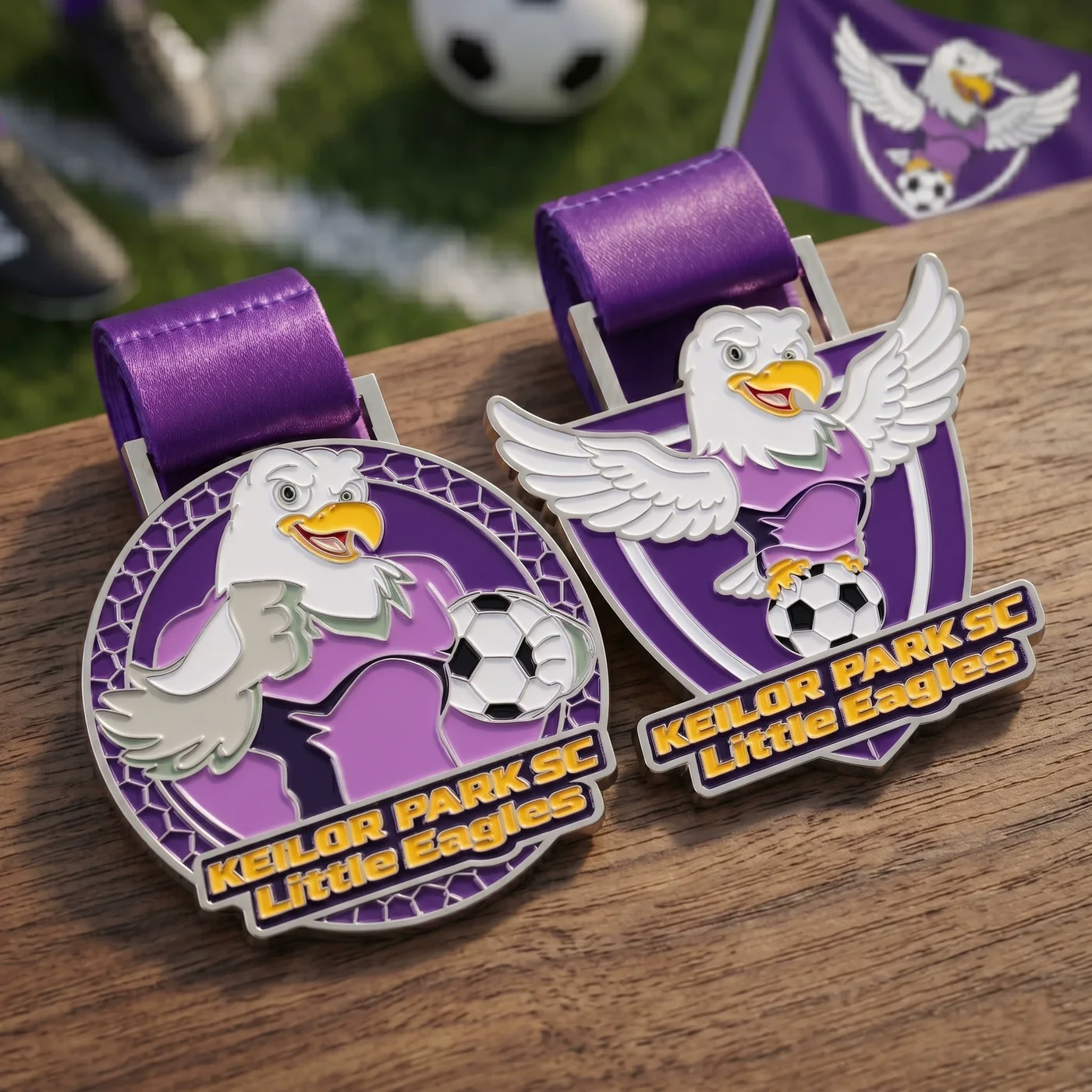
Custom medal examples
Compare cut-out, sports, finisher and recognition medal directions.
View custom medals →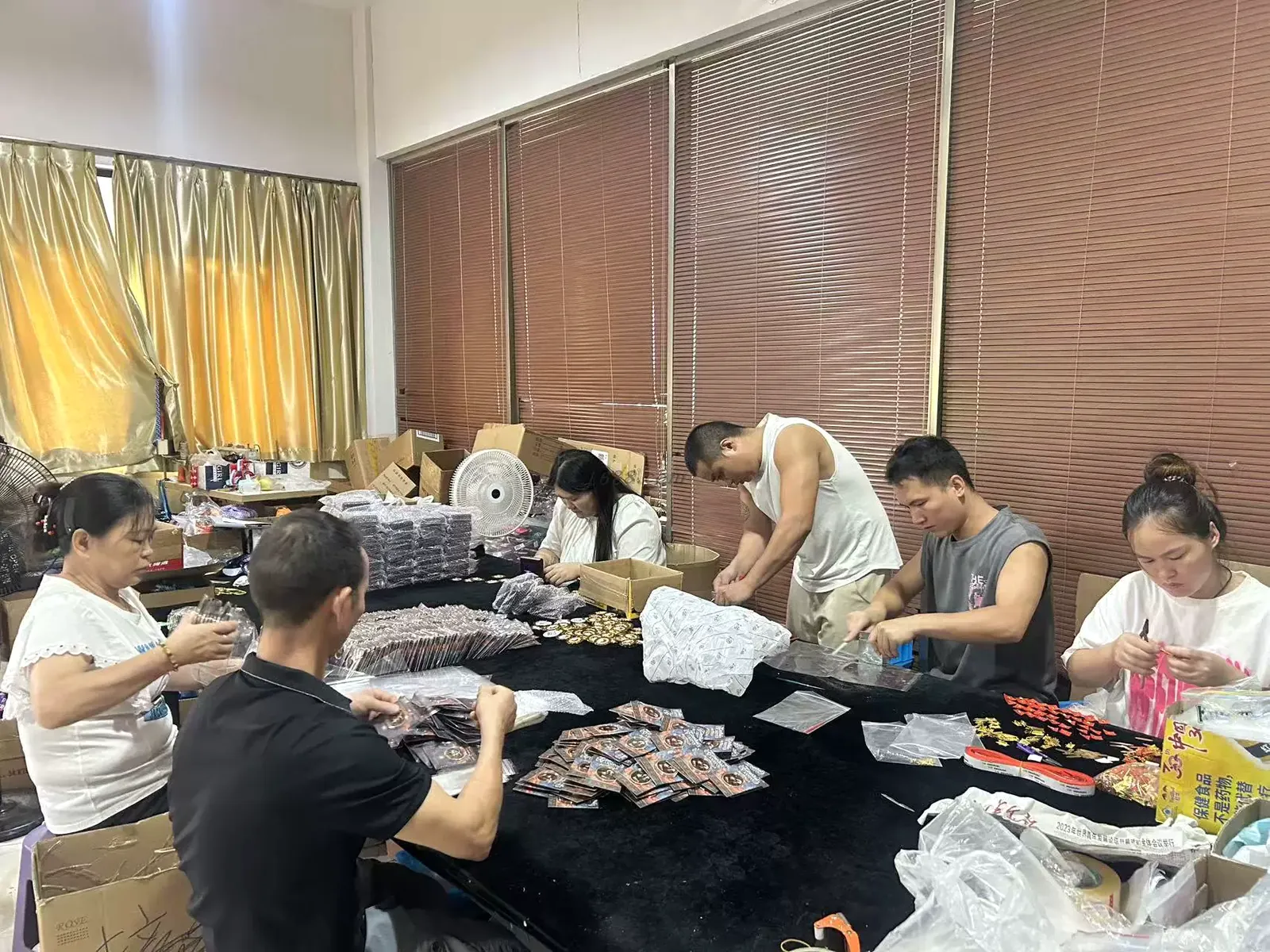
Factory and quality control
See how products are coordinated, checked and prepared for shipment.
See the factory →