
Custom medal buyer guide
How much do custom medals cost?
There is no useful one-price answer. A reliable quotation starts with the medal construction, order quantity, presentation and delivery requirements.

Custom medal cost is usually the combination of one-time tooling and setup, per-piece production, ribbon or attachment, packaging and freight. Size, thickness, relief, finish and quantity have the greatest effect, so an accurate quote requires more than a logo and a target budget.
A practical way to read a medal quotation
A factory quotation is easier to compare when it separates the parts of the project. The basic structure is:
Not every supplier presents the quote in the same format, but these cost groups still exist. Ask what is included before comparing totals.
Tooling prepares the custom shape and relief. Unit production covers metal forming, finishing, color and assembly. Ribbon and packaging depend on how the medals will be presented. Freight depends on packed weight, destination and delivery method. When several suppliers respond, use the dedicated 10-point medal quote comparison checklist to normalize specifications and calculate landed cost.
Seven factors that change custom medal cost
1. Diameter, height and thickness
A larger or thicker medal uses more material and creates more packed weight. A small increase in each dimension can become meaningful across 500 or several thousand pieces. When budget is important, confirm whether the visual impact comes from diameter, thickness or relief instead of increasing all three. Compare practical dimensions in our custom medal size and thickness guide.
2. Material and production method
Zinc alloy, iron and brass support different combinations of detail, weight and finish. The best choice depends on the artwork and intended use—not simply which material sounds most premium. We review the design before recommending a construction.
3. Custom outline, cut-outs and relief
A standard round outline is usually simpler than an irregular shape with several open areas. Detailed 3D modeling can also require more preparation than clear 2D raised and recessed levels. Complexity is justified when it supports the event identity; decorative detail that cannot be seen at the final size may only add revision work.
4. Plating and surface treatment
Bright gold, silver, copper, black nickel, antique finishes and dual-tone directions create different production requirements. A single consistent finish is normally easier to control than combining several surface effects.
5. Enamel, printing and color count
Color affects both appearance and production planning. Large, clearly separated color areas are generally more straightforward than tiny isolated areas or artwork that relies on photographic gradients. Printing may be considered when the artwork cannot be translated cleanly into enamel divisions.
6. Ribbon, attachment and packaging
A stock-color ribbon and individual protective bag are different projects from a custom printed ribbon, backing card and presentation box. Packaging also changes carton size and freight weight, so it should be quoted from the beginning rather than added after sample approval.
7. Order quantity
Tooling and setup are distributed across the order, so unit cost usually improves at higher quantities. The useful comparison is not simply “500 versus 5,000”; request the quantity tiers that match your realistic event attendance, reserve stock and reorder plan.
Specifications that are useful to compare
| Decision | Simpler direction | More involved direction | Buyer question |
|---|---|---|---|
| Shape | Round or simple outline | Intricate outline and multiple cut-outs | Does every cut-out support the design? |
| Relief | Clear 2D levels | Sculpted 3D modeling | Will the depth be visible at final size? |
| Finish | One plating treatment | Dual-tone or mixed effects | Which finish is essential to the identity? |
| Ribbon | Stock color | Custom printed or woven | Does the ribbon carry event branding? |
| Packaging | Individual protective bag | Backing card, pouch or gift box | Is it for distribution, retail or presentation? |
The “simpler” direction is not automatically better. The objective is to spend on details customers or recipients will notice and remove complexity that does not improve the final product.
What to send for an accurate quote
A short but complete brief reduces assumptions and makes supplier comparisons more meaningful.
- Artwork, sketch or a clear reference image
- Target width or diameter and preferred thickness
- Estimated quantity and possible reorder quantity
- Preferred plating, color and relief direction
- Ribbon width, color and whether printing is required
- Individual packing or presentation packaging
- Destination country and required delivery date
- Any compliance, labeling or carton-mark requirements
Our standard MOQ is 500 pieces per design. A typical sample takes 7–10 days after artwork and specifications are confirmed. Mass-production timing is confirmed with the final specification and order schedule.
Cost FAQ
Questions buyers often ask.
Why is there no single price for every custom medal?
Because a medal is manufactured to specification. Dimensions, material, relief, finish, color, ribbon, packaging, quantity and delivery requirements all affect the quotation.
Does a larger order reduce the unit cost?
Usually, because tooling and setup are distributed across more pieces. Ask for realistic quantity tiers rather than an artificially high quantity that you do not expect to order.
Is the mold fee paid again on a repeat order?
This depends on whether the original tooling remains suitable, the artwork is unchanged and the supplier's tooling-retention terms. Confirm this in writing with the first order.
Is freight included in the unit price?
Not always. Ask whether the quote is ex-factory, includes delivery to a port, or includes transport to your destination. Packaging and final packed weight affect freight.
Continue planning
Turn the budget into a complete specification.

Custom medal design guide
Prepare shape, relief, color, ribbon and approval information before sampling.
Read the design guide →
Custom medal options
See product examples, construction options and common buyer questions.
View custom medals →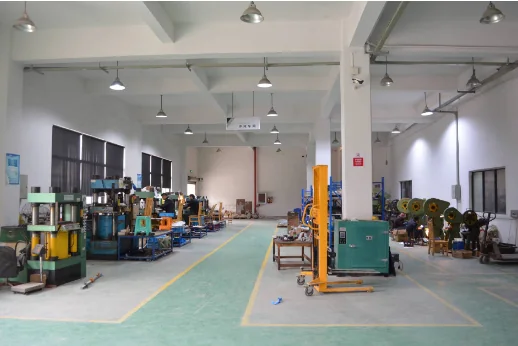
Factory capability
See the workshop, production coordination, inspection and packing areas.
See the factory →