
Board game publishing · Metal components · Buyer guide
Custom metal coins for board games.
Choose size, thickness, weight, denominations and finish as one system—not as separate decorative options.
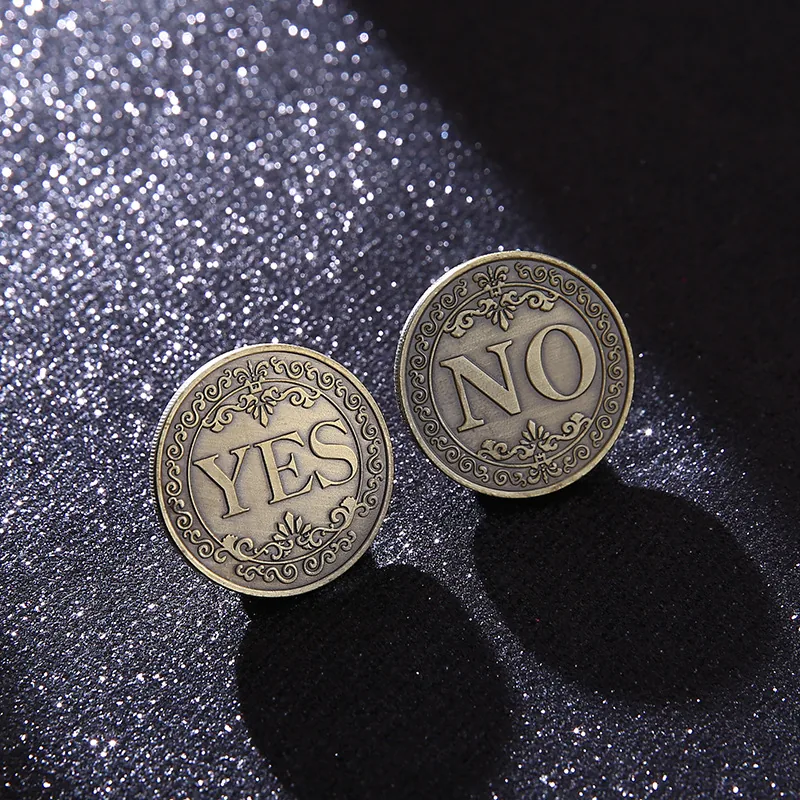
A good metal coin must do more than feel premium. It should help players identify value, handle pieces quickly and fit the complete game system without making the box unnecessarily heavy or expensive.
Define the job
Start with gameplay, not decoration.
A metal piece may represent currency, resources, victory points, actions, factions or a first-player marker. Frequently exchanged money needs quick recognition and comfortable handling. A single status marker can be larger, thicker and more sculptural.
Before drawing, decide whether players will repeatedly pay and make change, whether values must be recognized in seconds, and whether the coins belong in every box or only a deluxe edition or upgrade pack.
The use case decides where weight and detail create value.Choose diameter
There is no universal best coin size.
Diameter depends on the number of values, artwork density, table space, stacking and the insert. Small coins save space but leave less room for numbers and relief. Large coins show more detail but add weight and occupy more of the player area.
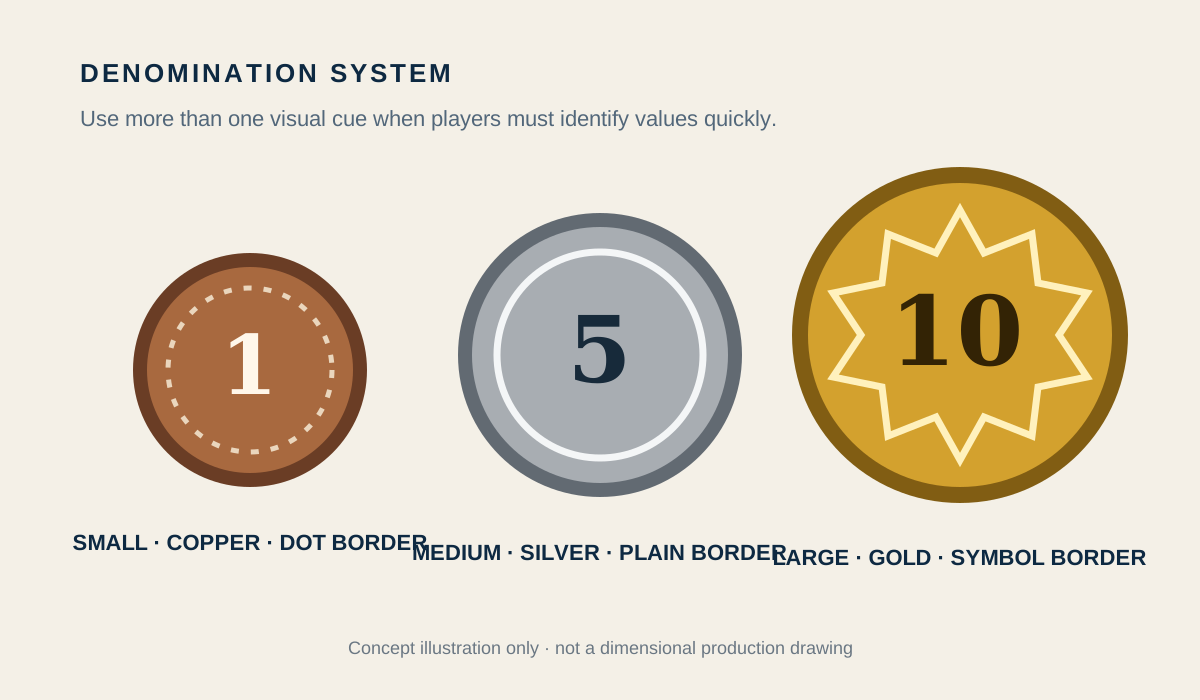
When a set contains several values, use more than one cue: diameter, finish, border pattern, a large numeral or a distinct center icon. Players should not need to lift every coin toward the light to tell 1 from 5 or 10.
Balance thickness and weight
Judge the whole set, not one satisfying sample.
Thickness can improve hand feel and allow stronger relief, but the effect multiplies across every coin in the box. A small increase applied to 60 or 100 pieces can change the game’s packed weight, insert depth, carton strength and international shipping cost.
Ask whether a quoted thickness describes the base metal or the total height at the highest relief point. Then test how several coins stack, whether players can pick them up easily and whether raised faces make a pile unstable.
Design the denomination system
Make the value clear before adding the world-building.
List every denomination, the quantity of each in one box and whether the value appears on both sides. Give numerals a stable position and enough visual priority. Decorative borders, characters and architecture can support the theme, but they should not make essential information harder to read.
For multilingual editions, numerals and tested icons can reduce dependence on tiny wording. Also consider future expansions: a system built around consistent size, finish and border rules is easier to extend.

Relief and color
Use the process that keeps the game readable.
Stepped 2D relief suits numerals, icons, heraldry and geometric patterns. Sculpted 3D relief can add volume to portraits, animals or fantasy objects, but it does not automatically improve a coin used for rapid counting.
Enamel can distinguish factions or values. Printing may be better for gradients and very small illustrated details. Antique finishes often deepen recessed areas and increase contrast; bright plating creates a cleaner ceremonial or jewelry-like look. Approve the effect on a physical sample rather than relying only on a screen rendering.
Fit the component ecosystem
Design the coin and the insert together.
If the box or tray already exists, confirm cavity diameter, depth, quantity per compartment and the finger clearance needed to remove pieces. The safer sequence is to approve a near-final coin sample before locking the insert.
Calculate the real quantity
Price every value across every game box.
If one game contains 30 coins and the print run is 2,000 games, the starting requirement is 60,000 pieces before samples, assembly allowance, replacement stock or language variants. A 1, 5 and 10 coin normally represents three faces and may require separate tooling and production quantities even when all three share a finish.
Extra Dream currently states a standard starting MOQ of 500 pieces per design. For a multi-denomination set, confirm which differences count as separate designs and the applicable quantity for each before comparing total quotations.
Approve by playing
A sample must survive a game session, not just a photo.
- Recognize every value quickly
- Read numerals and small symbols
- Confirm front and reverse orientation
- Stack several coins without wobble
- Check edges during repeated handling
- Compare enamel, print and antiquing
- Fit the insert and packaging
- Recalculate the packed-box weight
For a crowdfunding campaign, approve a physical sample before presenting final-looking product photographs. A rendering explains the idea; a sample establishes the actual size, weight, relief and surface.
Extra Dream custom support
From component brief to packed metal coin sets.
Wenzhou Oasis Metal Products Factory supports board game publishers, independent studios, crowdfunding teams and component brands with production planning and bulk manufacturing.
Review
Artwork, values, set count, intended use and box constraints.
Specify
Diameter, thickness, relief, finish, color and reverse.
Proof
Production artwork for each denomination and version.
Sample
Physical checks for readability, handling and insert fit.
Produce
Bulk manufacturing, appearance checks and quantity control.
Pack
Separated values, complete sets or project-specific packing.
Deliver
International shipping and DDP feasibility by destination.
Planning a metal coin set?
Send six useful details—not a long form.
Share artwork for each value, approximate size, the number of each coin per box, the planned number of games, finish and packing preferences, and the delivery country and postal code. If a specification is open, describe the gameplay and target edition.
Sources and image notes
External examples inform general component planning; they do not establish universal manufacturing limits.