Common challenge coin diameters
The ranges below are planning references, not fixed product rules. Final dimensions should be confirmed after the factory reviews the artwork, edge text, relief and packaging.
| Diameter | Approx. inches | Often suits | Watch for |
|---|---|---|---|
| 38 mm | 1.50 in | Compact pocket coins and simple logos | Limited room for small text and complex scenes |
| 40 mm | 1.57 in | Balanced everyday organization coins | Dense artwork may still need simplification |
| 45 mm | 1.77 in | More detailed logos, dates and two-sided layouts | Added weight compared with compact sizes |
| 50 mm | 1.97 in | Presentation coins and layered relief | Material, packaging and freight can increase |
| 60 mm | 2.36 in | Display-led commemorative pieces | Less pocket-friendly; confirm packing early |
Let the artwork determine the minimum useful size
A compact coin can work beautifully when the design has one strong emblem and limited wording. Portraits, architecture, multiple logos, long edge text and fine 3D relief need more surface area.

Bold logo layout
Large lettering and simple color blocks remain readable at smaller diameters.

Detailed relief layout
Complex scenes need more diameter or selective simplification.
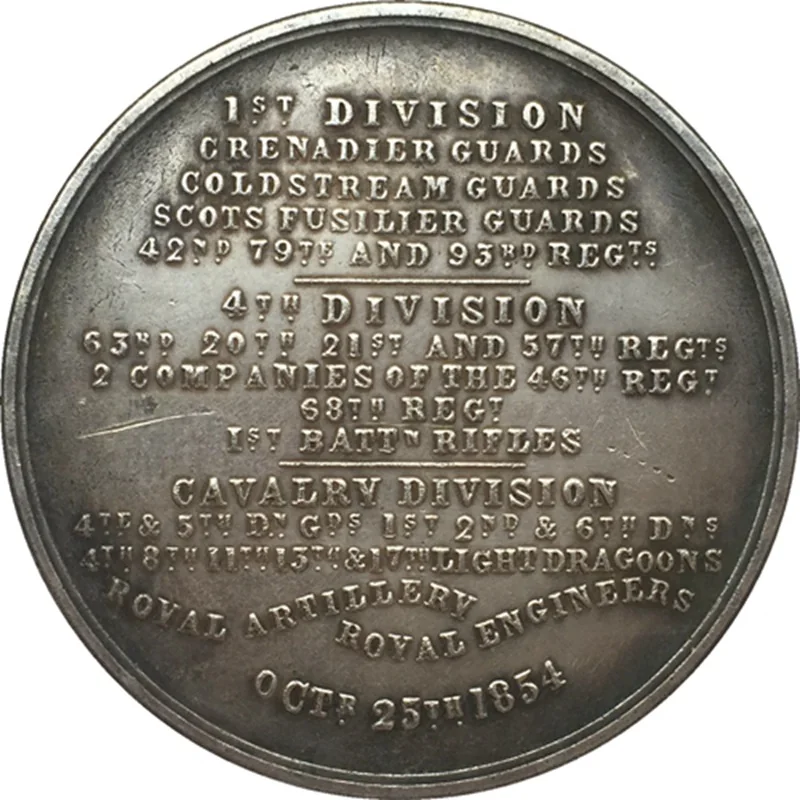
Text-heavy reverse
Dates, messages and edge lettering must stay large enough to manufacture and read.
How thickness changes the result
Thickness affects weight, edge presence and how much relief can be expressed. It should be selected with the diameter rather than treated as a separate decision.
| Planning range | General impression | Project consideration |
|---|---|---|
| About 2 mm | Lighter and slimmer | Best reviewed with simpler relief and a practical diameter |
| About 3 mm | Balanced hand feel | A common starting point for discussion, not a universal standard |
| About 4 mm | Heavier presentation feel | Confirm weight, edge treatment, packing and freight impact |
These ranges are for early planning. Tooling, material, relief, edge construction and diameter determine the final feasible specification.
Choose size by use, not trend
Pocket or everyday carry
Prioritize comfortable diameter, readable marks and a finish that tolerates handling.
Employee or member recognition
Balance portability with enough room for the organization identity, program name and date.
Presentation or commemorative display
A larger diameter and heavier feel can support more relief and a formal box, but packing should be planned from the start.
Information to send with a size question
- Front and reverse artwork or a clear concept
- All required wording and logos
- Intended use: pocket, recognition, gift or display
- Preferred finish and enamel direction
- Quantity, packaging and destination country
If you are not sure about diameter, send the artwork first. We can review whether the detail fits a compact, standard or presentation-led format.
Frequently asked questions
Are challenge coins a standard diameter?
No. Many programs use diameters from about 38 to 50 mm, but the right size depends on artwork, text, thickness, use and presentation.
What size works for a detailed challenge coin?
A diameter around 45–50 mm often gives complex artwork and edge text more room, but final feasibility should be reviewed against the design.
Does a larger challenge coin cost more?
Usually, because larger dimensions increase material, weight and packing requirements. Relief, finish, enamel, edge details and quantity also affect cost.
How thick should a challenge coin be?
Thickness is selected for the desired weight, relief depth, diameter and presentation. Project discussions often start around 2–4 mm, subject to artwork and factory review.