
Geocaching clubs · Event series · Collector programs · Buyer guide
How to order custom trackable geocoins.
Connect official code approval, metal production and sequential data control before tooling begins.

A trackable geocoin is not made trackable by adding a random serial number. Geocaching HQ generates codes and approves the game-piece design; the metal factory manufactures the approved physical piece and controls the unique data through production.
Define the product
Trackable geocoin or collectible coin?
A collectible coin can commemorate a club, event, milestone or personal project without an online journey. It may carry a normal serial number, but it does not have an individual trackable page or movement history.
A trackable geocoin is a physical Geocaching game piece with a unique code. Its owner can activate it, set a goal and allow other players to log interactions as it moves or is discovered. Before requesting metal pricing, decide whether every coin needs an official code, whether some stay in collections, and how activation information will be delivered.
No approved code means no official trackable function.Separate authorization from manufacturing
Who supplies the tracking codes?
Geocaching HQ’s current guidance says that it approves trackable designs and generates codes, but does not design or manufacture the physical game pieces. For a bulk custom project, the buyer needs the official code order and design approval before the final production file is locked.
The official page currently lists a minimum of 50 codes for bulk custom features. That platform minimum is separate from a metal factory’s production MOQ. Extra Dream currently publishes a standard starting MOQ of 500 pieces per coin design, so the code quantity, production quantity, spare policy and possible reorder plan should be reconciled before purchase.
Understand the data
A public TB reference is not the physical tracking code.
Each trackable has two identifiers with different jobs. The public reference number normally begins with TB and can be seen on the public trackable page. The code applied to the physical object is intended for people who actually have the item and is used for actions such as Retrieve, Drop and Discover.
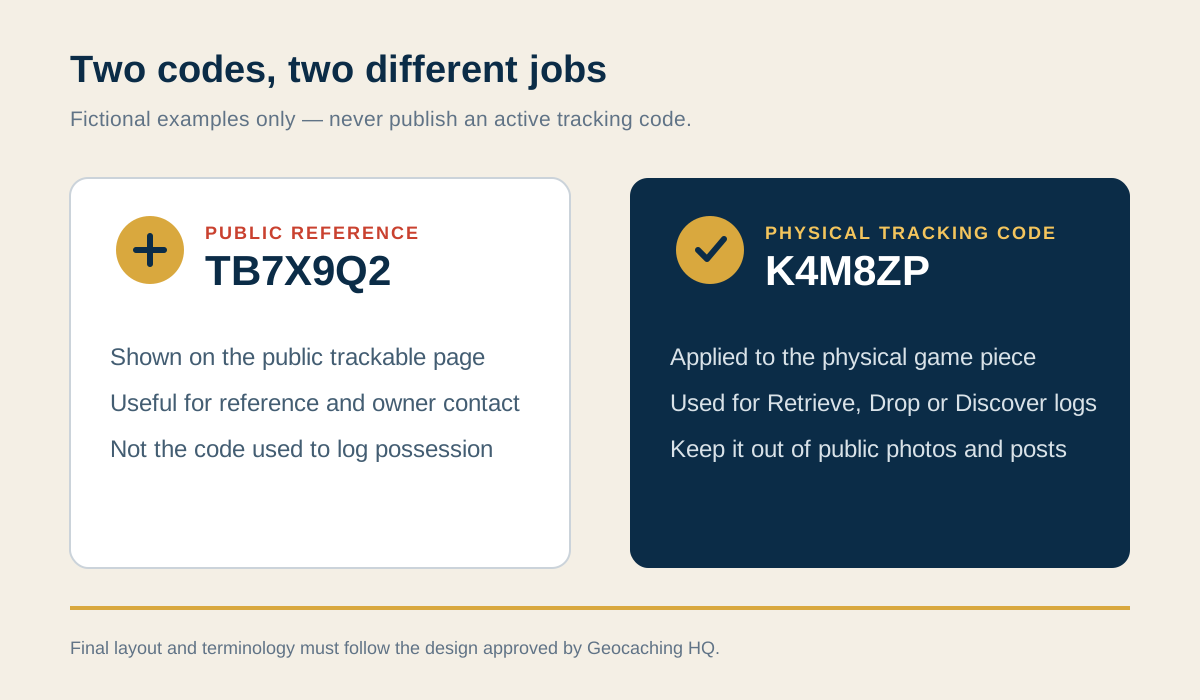
Safe for page reference
Useful for the public trackable page and owner communication, but not for logging physical possession.
Do not publish it
Reserve it for people holding the game piece. Keep active codes out of public photographs, posts and approval screenshots.
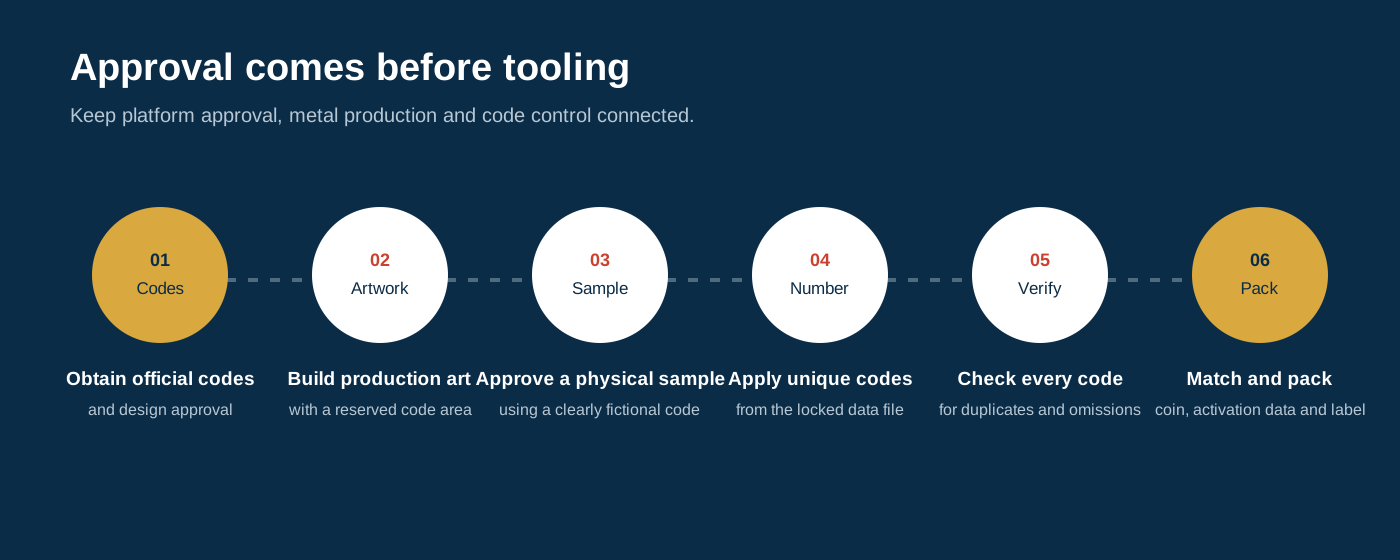
Approve before tooling
Freeze the authorized design first.
Define the front and reverse story, code location, series name, date, size, thickness, edge treatment, relief, colors and packaging before generating the production proof. If the design uses Geocaching logos or protected artwork, follow the relevant license and approval requirements.
The official logo usage guidelines distinguish personal use from commercial use and prohibit changing the marks or implying an unapproved partnership or endorsement. Approval should therefore precede mold work—not become a correction after tooling.
Design the physical coin
Protect code readability while building collector value.
There is no single required geocoin size or construction. Die-struck brass, iron or copper-related material can support crisp lettering and stepped relief. Zinc alloy casting can support irregular outlines and deeper sculptural forms. Enamel or print can separate a route, event series or club identity, while antique finishes can increase contrast in recessed detail.
The code area needs different priorities from the artwork. Keep it relatively flat, give the characters enough size and contrast, and avoid dense texture, deep antiquing or strong relief behind the laser-marked data. A dramatic coin that makes its code difficult to read has failed an essential functional requirement.
- Choose material around relief, shape, weight and budget
- Keep the code zone flat and visually quiet
- Test ambiguous characters such as 0/O, 1/I and 5/S
- Consider edge safety and surface wear for traveling pieces
- Approve real metal color and contrast on a physical sample
Purpose shapes the specification
Travel pieces and display pieces may need different priorities.
A geocoin intended to move between outdoor cache containers benefits from readable markings, comfortable edges and a surface that tolerates handling. A collector release can devote more space to deep relief, special plating and presentation packaging.
The same series may include both. State how many pieces are expected to travel, how many remain collectible and whether those groups require different packaging or data handling. Do not assume every code-bearing coin will be used in the same way.
Control sequential data
Prevent skipped, duplicated and mismatched codes.
Before numbering starts, create one locked master file in which each production position maps to the physical tracking code, activation information, series or version, packaging label and inspection status. Once processing begins, do not casually insert rows, delete records or re-sort the file.
Use a clearly fictional code on the visual proof and physical sample. Active codes should enter the workflow only when the approved design, code placement and data-control method are ready for production. If a marked piece is damaged, document whether the same code will be remade, replaced by an approved spare or retired.
Inspect more than appearance
Unique data normally needs piece-by-piece verification.
Standard coin inspection checks artwork version, dimensions, finish, enamel, printing, relief and visible defects. A trackable series also needs verification against the locked code file.
- Every required code appears once
- No code is duplicated or omitted
- All characters are readable and correctly oriented
- Reworked and spare pieces are separately recorded
- Each coin matches the correct activation data or label
- Each packed batch can be traced to a defined code range
Appearance may follow an agreed inspection plan, but uniqueness and code pairing cannot be established by looking at only a few samples.
Package for privacy and use
Do not expose an active code through the pack.
Options include simple bags, capsules, backing cards, pouches and presentation boxes. A traveling piece may need light protection; a collector release may justify a display pack. If activation information accompanies each coin, decide whether it sits inside the pack, on a concealed card or in a controlled digital file.
Transparent packaging can accidentally reveal the active tracking code in retail displays or online product photos. Change the coin orientation, add an opaque insert or place the active code on a concealed face so the package supports both presentation and data privacy.
Extra Dream physical-production support
Turn an approved concept into a controlled metal series.
Wenzhou Oasis Metal Products Factory can review the buyer’s approved artwork, physical specification and controlled numbering requirements. Extra Dream does not issue official Geocaching codes and does not present random serials as platform-valid tracking codes.
Review
Purpose, approvals, quantity, artwork and code status.
Specify
Size, material, relief, finish, code zone and packaging.
Proof
Production artwork with a clearly fictional sample code.
Sample
Physical checks for relief, contrast and code readability.
Number
Project-confirmed data import and sequential marking plan.
Verify
Code uniqueness, physical quality and pairing records.
Pack
Project-specific bags, cards, capsules, pouches or boxes.
Planning a custom geocoin series?
Send the approval status and nine practical details.
Share the intended use, front and reverse artwork, official code status, dimensions, material direction, relief and finish, quantity and unique-code count, numbering area, packaging method, destination and required date.
Buyer FAQ
Clarify codes before manufacturing.
Can a metal coin factory issue official Geocaching tracking codes?
No manufacturer should present random serial numbers as official Geocaching tracking codes. Geocaching HQ generates codes and approves trackable designs; the physical manufacturer produces the approved game piece from the buyer’s controlled data.
Is a TB reference number the same as the code engraved on a geocoin?
No. The TB reference is publicly visible on the trackable page. The physical tracking code is used by people holding the item to log actions such as Retrieve, Drop and Discover.
Can I publish a photo that shows a geocoin tracking code?
Avoid publishing an active code. Use a fictional sample code, photograph another angle or conceal the code before sharing the image publicly.
Can several trackable geocoins use the same code?
If every coin must operate as an independent trackable, every physical piece needs its own valid code and correct activation-data pairing.
Does the official code minimum equal the factory MOQ?
No. Geocaching HQ currently states a minimum of 50 codes for bulk custom features, while Extra Dream’s published standard metal coin MOQ is 500 pieces per design. Confirm both quantities separately because rules can change.
Can a commercial geocoin use the official Geocaching logo?
Do not assume commercial use is automatically permitted. Follow the current logo guidelines and license terms, and obtain approval where required.
Official sources and image licenses
Platform rules can change. Verify current requirements with Geocaching HQ before purchasing codes or approving a production design.
- Geocaching Help Center — Trackables, custom codes and manufacturers ↗
- Geocaching Help Center — tracking code and reference number ↗
- Geocaching — logo usage guidelines ↗
- Geocaching — Trackables overview ↗
- Miroslav Hoblik — antique geocoin photo, CC BY-SA 4.0 ↗
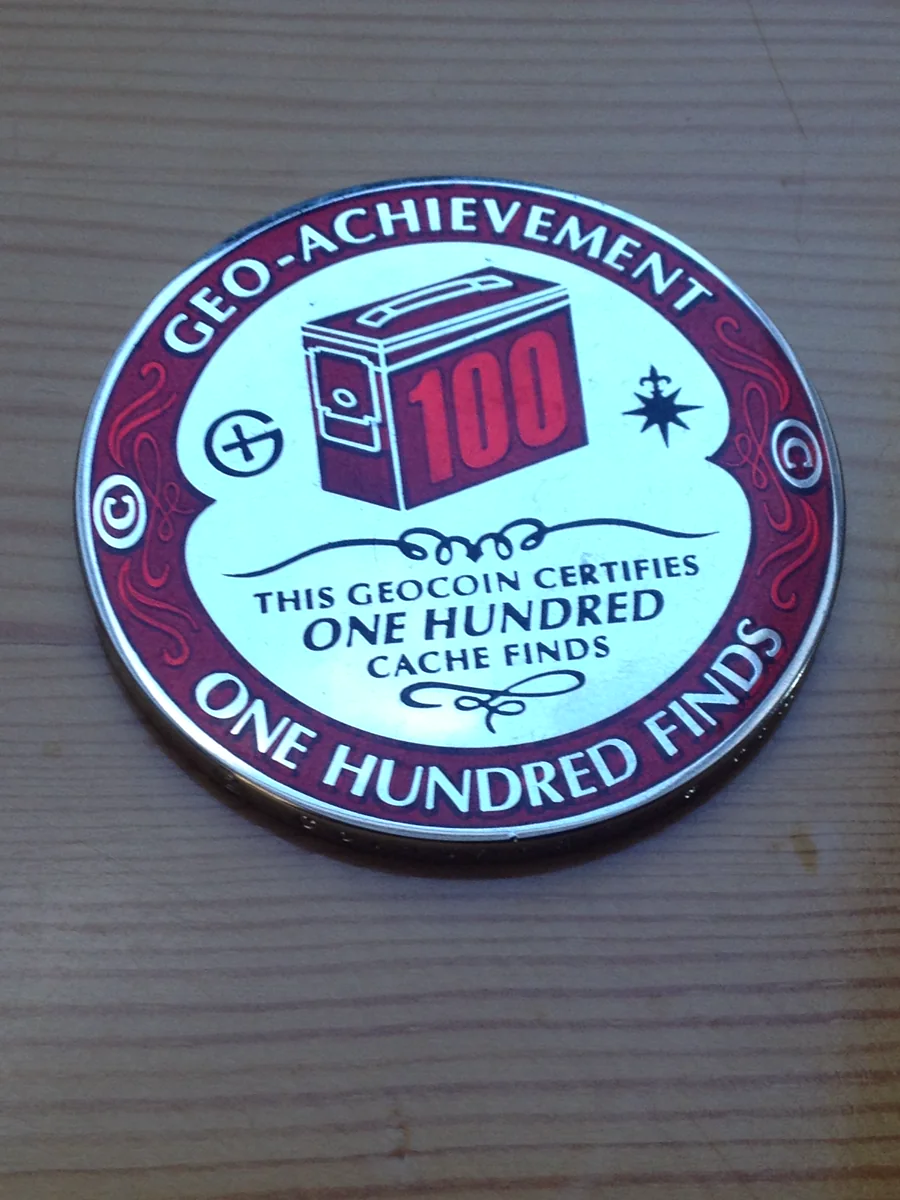
- Geocaching0 — achievement geocoin photo, CC BY-SA 3.0 ↗
Geocaching and related marks belong to Groundspeak, Inc. This independent manufacturing guide is not sponsored, endorsed or approved by Geocaching HQ. External coins shown are market examples, not Extra Dream products or customer projects.