
How to Design Custom Branded Merchandise Customers Want to Keep
Your logo tells people who you are. A well-chosen souvenir gives them a reason to remember you.
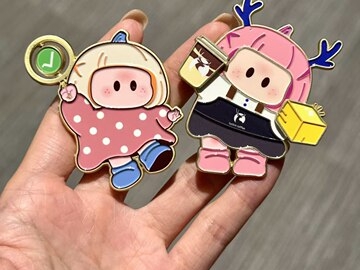
Start at the counter, not in the catalogue
Imagine a café approaching its fifth anniversary. The owner wants something customers can take home, but a logo placed on the first available product feels forgettable. What should the souvenir actually remind people of: the coffee, the little green doorway or their favorite weekend ritual?
That is a more useful starting point than choosing a finish. Before drawing anything, complete this sentence: “We want this person to keep this object because…” If the answer is only “it has our logo,” keep exploring.
The café is a hypothetical example. The same question works for a retail brand, a hotel or a company planning an anniversary gift.
A small purchase with a story
Decide where it sits, what it costs the customer and why it belongs beside your main products.
A recognizable extension
Connect the object to a character, collection or experience customers already associate with you.
A meaningful occasion
Define the recipient and moment: a service milestone, client visit or shared achievement.
Find the detail that belongs to you
A distinctive window, signature product shape, mascot or familiar phrase can provide a stronger starting image than a large block of corporate text. Choose something your audience can connect to the business.
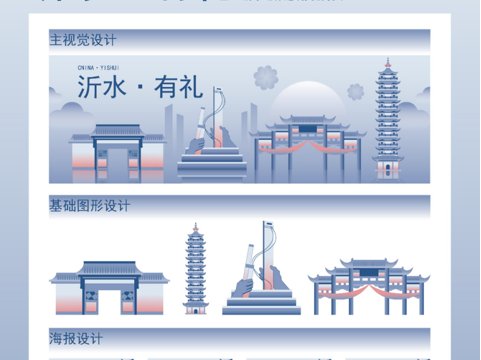
The place-identity reference below separates a larger composition into architectural elements. That is a useful design exercise: extract the recognizable parts before deciding which ones belong on a small object.
For your own brief, gather three to five references and mark the essential feature in each. Keep the licensed artwork and brand rules available. You are building a visual vocabulary, not asking the factory to guess what makes the brand special.
Give one idea enough space
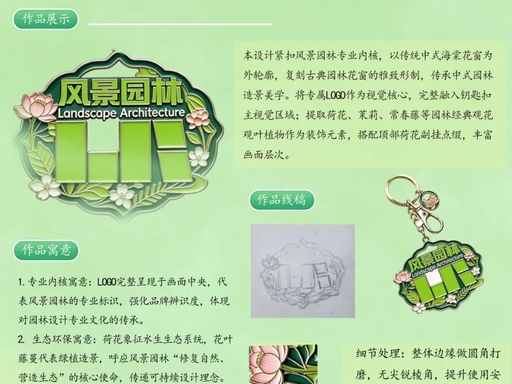
The garden-themed board offers another approach. Its window form, foliage and central lettering work around a shared theme. The proposed keyring carries that language into an object.
For a shop, the equivalent might be a storefront silhouette with one familiar color. For an anniversary gift, it could be the founding symbol with a discreet year. Let the main idea lead; move longer explanations onto a backing card.
Review the design at actual size. If the name disappears or the decorative details merge, simplify before adding more. A souvenir needs to work in a hand, not only on a large presentation slide.
Choose the object around the customer's life
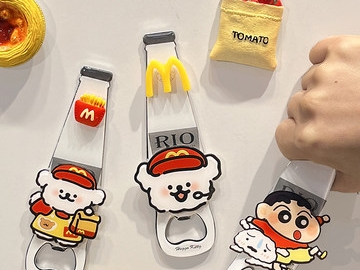
Think about where the item goes after the purchase or presentation. A pin can become part of a bag or jacket. A magnet can recall a place at home. An opener can connect a hospitality brand with a useful action. A commemorative coin can suit a formal presentation.
These are possible matches, not automatic rules. Ask whether your audience would use, display, wear or collect the object. The answer should guide size, attachment, durability expectations and packaging.
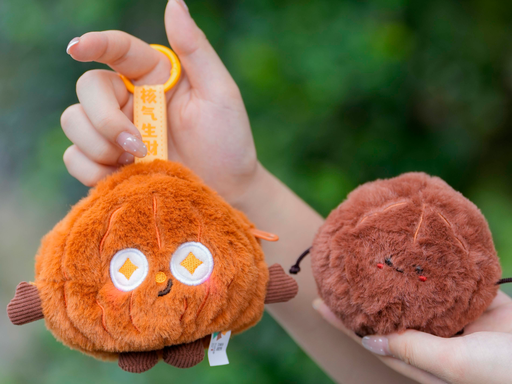
The accessory reference below brings characters into everyday items. The plush reference adds a different lesson: texture and expression can carry personality. For a metal project, translate that personality through shape and relief rather than assuming every material creates the same experience.
Build a family, then launch a manageable first piece
A series needs something consistent: the same character face, border, palette or lettering. Different outfits or local details can then create variation without making every piece feel unrelated.
However, drawing six designs does not mean ordering all six immediately. Ask for quantities and tooling costs by design. A new outline, a color change and a new attachment may have different cost implications.
Start with a clear lead product and a defined use. Track what happens: customer questions, sales, gift feedback or repeat requests. Expand from that evidence instead of assuming more versions will create more demand.
A five-minute design brief
Decide these before requesting a quote.
- Recipient: who receives or buys it?
- Memory: what should it remind them of?
- Object: where will they use or keep it?
- Budget: what must the total order include?
- Launch: where and when will it be offered?
Design the handover too
For a counter display, plan a readable card and a price position. For a member gift, consider how staff explain its meaning. For a corporate presentation, leave room for the message that makes the object specific to the occasion.
Compare the total scope: product, tooling, sample, packaging and delivery. If the merchandise will be sold, include your own handling and selling costs when setting a retail price. If it will be gifted, define what a successful response looks like.
Then send the supplier your references, intended size, quantity and launch plan. Our artwork preparation guide helps with small details, while the local-culture souvenir guide explores place-based ideas. Your first brief can be simple; it should make the purpose clear.
Turn a brand detail into something worth keeping
Share your brand references, audience and intended use with Extra Dream. We can discuss a custom metal product direction, specifications and sample requirements.
Discuss your branded souvenir ↗