
Custom Souvenir Magnets: Designing for Local Culture and Identity
A souvenir magnet has very little space to tell a story. A festival float, a canal-side house or a garden window can make that story specific to the place a visitor remembers. For gift shops developing custom fridge magnets, the first decision is which local story deserves that space.
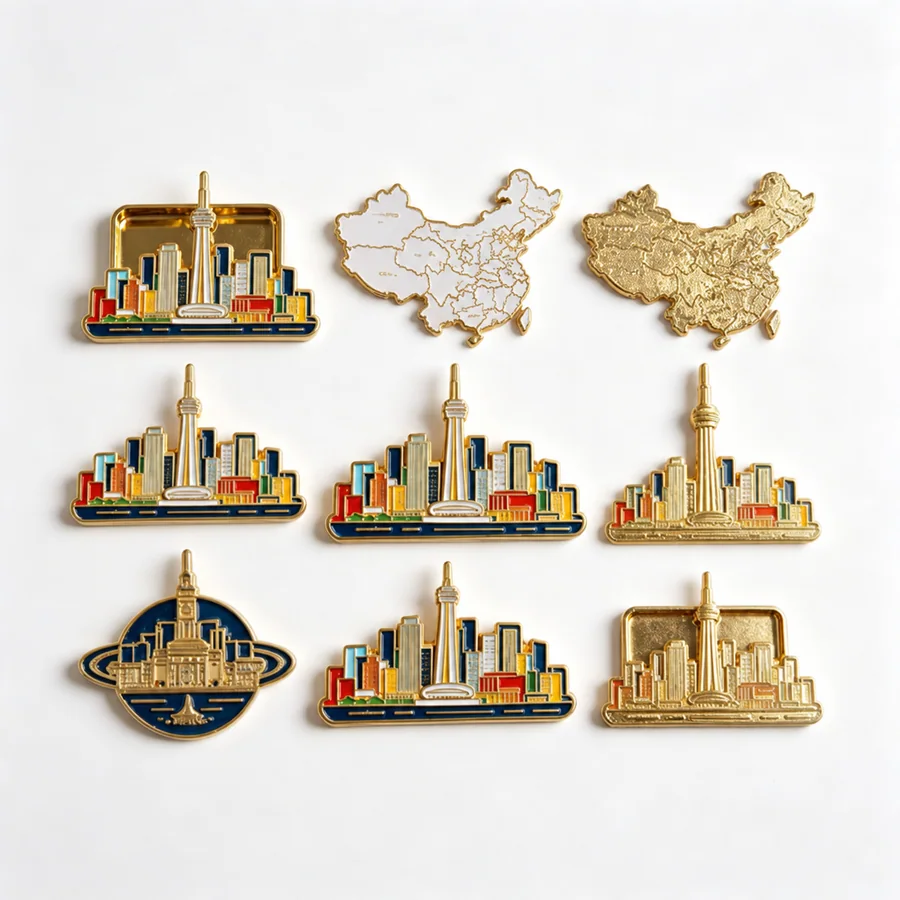
Start with the place visitors actually experience
A country is a starting point; a city, neighborhood or attraction gives a souvenir its particular identity. Ask what visitors see, do and photograph at your location. Choose a subject that connects the magnet to that experience.
A recognizable building can anchor the design, while a small detail supplies character: a roofline, bridge railing or distinctive window. One clear subject and a readable place name give the composition room to work.
The following examples use documented cultural references from five countries. The proposed designs are ideas to develop with local partners, not claims about national tastes or proven bestsellers.
Japan: tell a Kyoto festival story
Kyoto’s Gion Matsuri offers a specific starting point beyond a general Japan theme. Its floats have individual identities and themes connected to legends, rituals and performance traditions, as explained by Kyoto’s official visitor guide.
A Kyoto gift shop could develop a magnet around one identified float: its tall silhouette, wheels and a selected decorative detail. A small Kyoto label establishes the destination. A backing card can carry the float’s name and explanation, leaving the metal face uncluttered.
A festival collection could share a border and lettering across different float designs. Ask a knowledgeable local partner to review the subject and meaning, and use artwork you are authorized to reproduce. Preserve a particular memory of Kyoto rather than combining unrelated Japanese symbols.
Italy: build a Murano concept around craft
Murano’s glassmaking heritage provides a craft-led route to souvenir design. Venezia Unica’s guide to Murano places that tradition at the center of the island’s identity.
A metal magnet could use an original glass-inspired arrangement of color and form, paired with the island name. The aim would be to recall a craft visit through a clear composition. Describe the product accurately as metal; it should not be presented as Murano glass.
An island streetscape, a craft-inspired composition and an original artist collaboration could provide distinct subjects within one range. Where a contemporary maker’s design is involved, agree on permission and credit. The connection to the craft should be explained honestly.
France: capture Colmar through its streetscape
France offers destination stories beyond Paris. Colmar’s half-timbered houses, canals and bridges provide a local visual vocabulary, described in France.fr’s Colmar guide.
One magnet could show a short row of façades beside the water. Different roof heights and a few structural lines can establish the streetscape without reproducing every window. Keep the place name readable beside the illustration.
A coordinated collection might show a street view, a waterside view and a single architectural detail. Use verified references from the location: a generic European house with “Colmar” underneath loses the specificity that makes the design worth developing.
United States: give Santa Fe its own identity
A local setting can provide more distinctive subject matter than a nationwide motif. Tourism Santa Fe’s architecture guide describes the city’s adobe architecture and its historical influences.
An architectural magnet could start with a documented building outline, warm wall colors and a restrained Santa Fe label. In metal, the silhouette and a few raised details could carry the composition. Check which features still identify the building when reduced to finished size.
Community-specific motifs are not interchangeable decoration. If the range draws on a living artistic tradition, work with the relevant artist or cultural partner on the design and attribution. An architectural study and an artist collaboration are different projects.
China: frame a Suzhou garden view
Suzhou’s classical gardens offer an alternative to a broad China-themed collection. UNESCO’s description of the gardens highlights their tradition of recreating natural landscapes in miniature.
A magnet could frame a garden view: a window or opening around a carefully chosen pavilion, rock or planting detail. Base the composition on an identified garden and a verified view, rather than assembling unrelated features and naming it after a real site.
A series could keep the same outer frame while changing the view inside. Check names and translations with a local reviewer. For cut-out designs, have the factory assess the remaining metal connections before committing to the shape. Cultural detail and workable construction need to develop together.
Turn local stories into a gift-shop collection
Shared lettering, borders and packaging can connect different subjects without making every magnet identical. Each design should give the visitor a reason to choose it: a place visited, an event attended or a detail noticed.
Start with a few clearly different subjects before expanding into many small variations. Use customer questions and your own sales history to decide which themes deserve more space. A cultural connection provides a design direction; it does not establish demand by itself.
Let the packaging carry the longer story. Include the place name, a short factual explanation and artist credit where appropriate. Keep origin and material descriptions accurate.
Bring the cultural idea into your manufacturing brief
Send the destination, the story behind each subject and reference images you have permission to use. Add the intended size and quantity per design. Explain which details must remain recognizable and which can be simplified.
Review artwork at actual size before sampling. Check small lettering, color separations and the outline. On the sample, assess the finish, backing attachment and holding performance on the intended surface, along with whether the local subject still reads clearly.
A useful brief might say: “We need three souvenir magnets for a local gift shop: a canal view, a building façade and a bridge detail. Use shared lettering and packaging, retain the verified architectural features, and quote each design separately.” This gives the factory a concrete cultural and commercial starting point.
Develop a magnet around your destination
Share your city or attraction, proposed subjects, artwork references, finished size and quantity per design. Extra Dream can review how those ideas could translate into a custom metal souvenir.
Cultural background is linked to official destination and heritage sources above. Design proposals are editorial suggestions, not sales forecasts or claims of local endorsement.