
Parks · Trails · Visitor centers · Buyer guide
Custom hiking stick medallions.
Choose shape, curvature, material and attachment as one working system—not as separate decorative options.
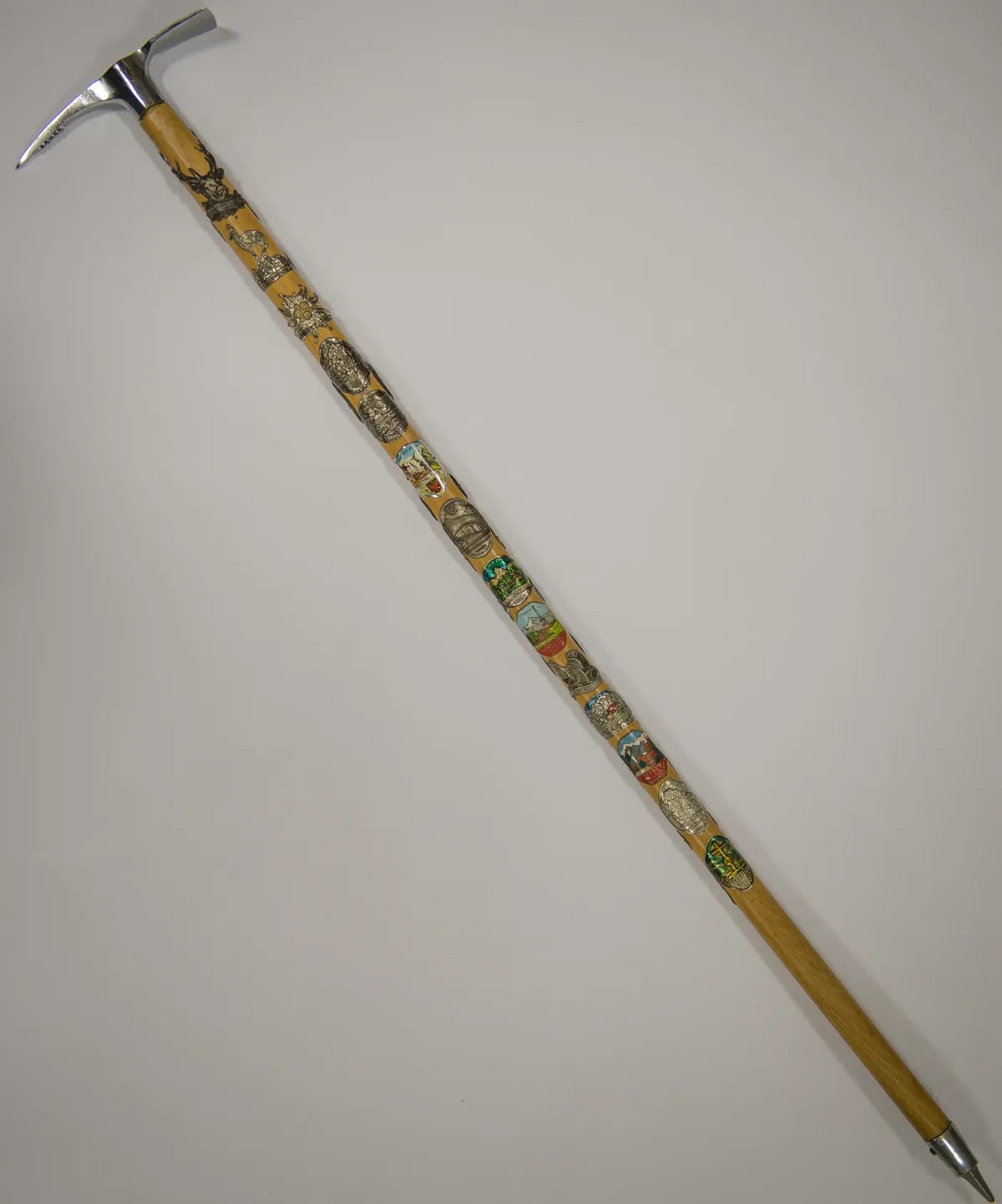
A walking stick medallion is not simply a small enamel pin. It must follow a round shaft, carry usable mounting points and remain comfortable to handle after it is installed.
Define the product
What is a hiking stick medallion?
A hiking stick medallion is a small metal souvenir plate attached to a wooden hiking staff or walking stick. It may show a park, peak, trail, building, plant, animal, event year or mileage. In German-speaking markets, the product is often called a Stocknagel.
Unlike an ordinary lapel pin, the finished plate is usually pre-curved and has holes near its edge for mounting. Buyers therefore need to plan the front artwork and the way the piece fits the real staff at the same time.
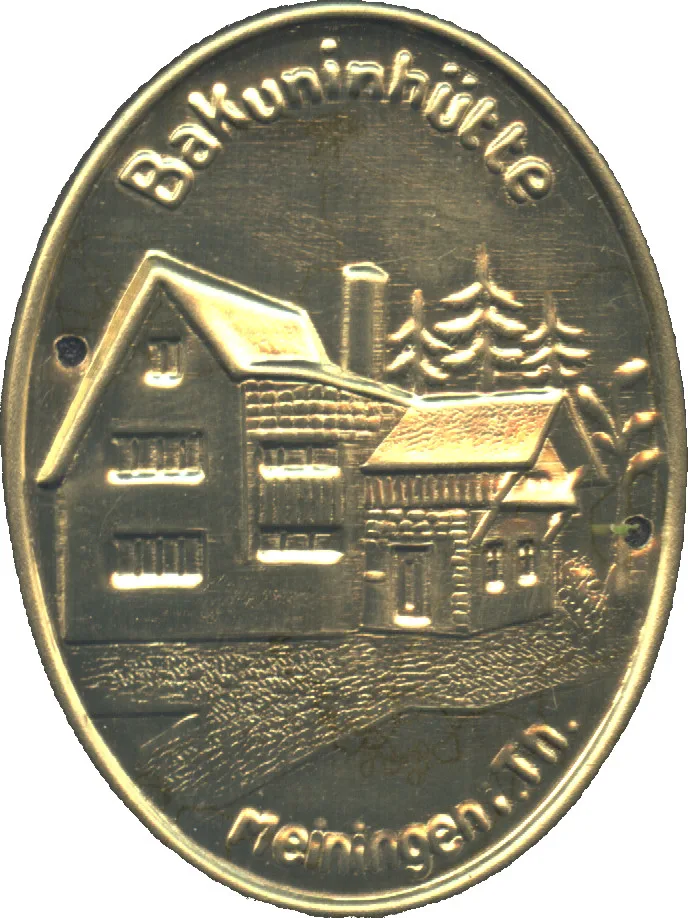
Common buyer names
- Hiking stick medallion
- Walking stick medallion
- Hiking staff medallion
- Walking stick badge
- Stocknagel
Define the selling role
Souvenir, trail reward or collectible series?
A visitor-center souvenir must explain its destination quickly on a retail display. A trail challenge award may need a year, route grade or mileage. A collectible series benefits from consistent size, borders and packaging so every new destination feels connected.
Outdoor brands, camps, clubs and schools may instead use the badge for membership, outdoor education or team programs. In those projects, brand rules, repeat orders and annual artwork changes can matter more than a purely traditional appearance.
Decide the product’s role before adding cost or complexity.Control the fit
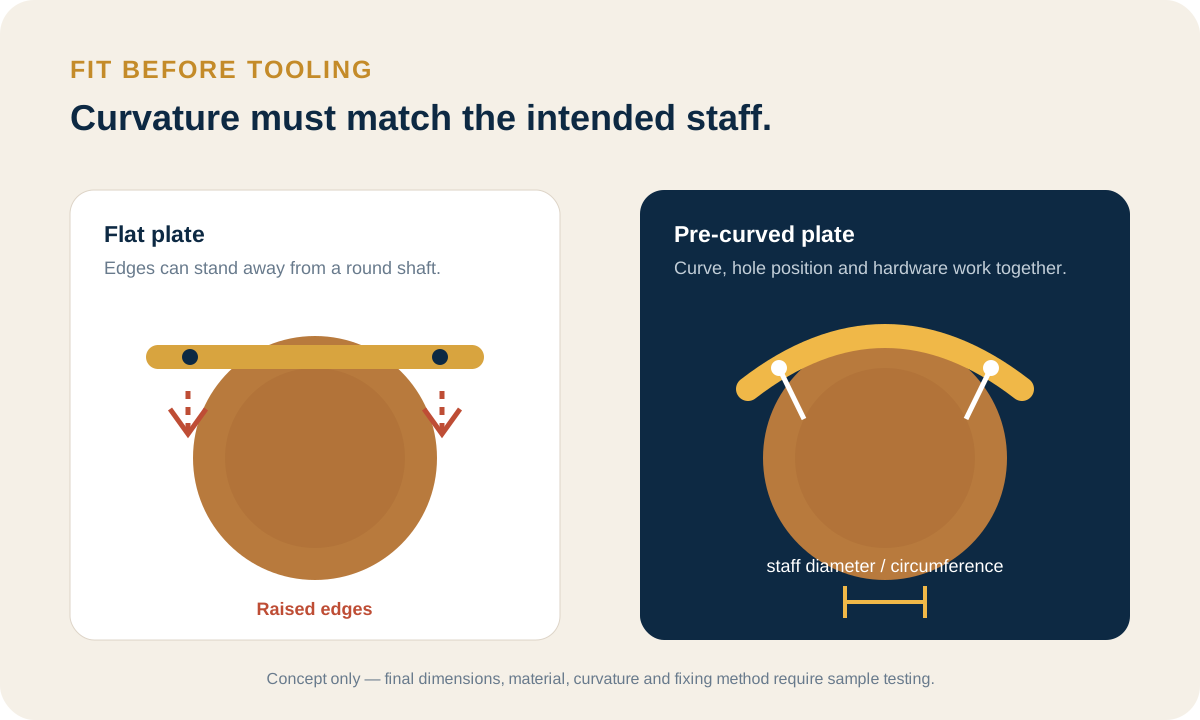
Curvature is the critical structural specification.
“Make it curved” is not a complete instruction. Wooden staffs vary in diameter, circumference, taper and surface. A plate that fits one shaft may lift at the edges on another. A curve that is too deep can become equally restrictive.
Send the intended shaft diameter or circumference, the installation position, surface information and whether buyers will install the medallion themselves. If the staff already exists, a short physical section or clear measurement photos are more useful than the phrase “standard hiking stick.”
Choose the outline
Let the shape identify the place without weakening the part.
Round, oval, shield and arched shapes create stable borders and leave practical space for lettering, relief and mounting holes. A mountain, animal, building or regional outline can be more distinctive, but narrow joins, long points and crowded holes may bend, lift or feel sharp after installation.
There is no one standard size for every project. Evaluate the shaft, artwork, hole spacing, retail packaging and target price together. A common size found online is only a reference until it has been tested on the intended staff.
Material and thickness
Balance relief, bending, weight and cost.
Brass and copper-related materials can support stamped relief and traditional antique effects. Aluminum is lighter and may suit a larger or thinner plate. The material name alone does not define the product: thickness, forming method, surface treatment, color process and backside condition still affect the result.
A plate that is too thin may deform during shipping or installation. A plate that is too thick may resist pre-curving and feel bulky at the edge. Ask suppliers to quote the same finished dimensions, curvature, artwork process, hardware and packaging before comparing prices.
Select the mounting method
Nails, screws and adhesive solve different problems.
Small nails
The traditional appearance. Check edge distance, nail-head coverage, nail length and whether dry or narrow wood could split during installation.
Small screws
Can provide more control over depth and removal, but add hardware, packing and tool requirements.
Adhesive
Easy to apply, but wood grain, paint, dust, temperature, curve and moisture can change performance. Test it on the real surface.
An adhesive layer may help position the plate while nails complete the final fixing. If adhesive is proposed as the only attachment, define the surface and use environment instead of relying on a tape brand name as a universal guarantee.
Simplify the artwork
Do not shrink a tourism poster onto a small metal plate.
Choose one visual anchor: a recognizable peak, landmark silhouette, local species, trail line, destination name or route number. Put the longer story, map, series number and installation instructions on the backing card.
During artwork approval, check minimum lettering, fine lines, color areas, mounting holes, border strength and distortion after bending. A useful proof shows both the flat production artwork and the intended curve direction.
Uncolored relief with an antique finish can suit historic trails and traditional souvenirs. Enamel helps with brand or route colors. Printing can preserve gradients, photographs and fine illustration. Mixed processes are possible, but every added process makes a physical sample more valuable.
Plan outdoor use honestly
Outdoor use is not a promise of permanent color.
A staff may meet sweat, rain, mud, sunlight, temperature changes and repeated rubbing. Performance depends on the base material, finish, paint or print, protective layer, fixing method and frequency of use.
Describe the expected environment and request an appropriate surface proposal and test plan. Without supporting test evidence, avoid absolute claims such as “never fades,” “never rusts” or “suitable for every climate.”
Build a series
A shared format creates a collection—not one shared mold.
A park network can standardize the outline, approximate size, hole positions, border, type system, finish and backing card. That makes different destinations look related on the shelf and on the staff.
However, different relief or face artwork normally requires separate tooling and quantity review. A large total order does not automatically combine every low-volume location into one minimum. A practical launch may begin with one to three flagship destinations, then expand after real retail feedback.
Package the complete product
The backing card should explain installation.
Hanging cards, clear bags and paper sleeves are common retail directions. The destination must remain visible, while loose nails or screws need a sealed area so they do not disappear, puncture the pack or scratch the badge.
Add the recommended position, required tool and a reminder to check whether the staff is suitable for nailing. For children’s, school or camp programs, review small-part, sharp-point, target-age and local safety requirements separately.
Approve a working sample
Install it on a real staff—not just on a presentation board.
- Fit against the target diameter and taper
- Edge lift after installation
- Hole position and material around each hole
- Nail or screw suitability for the intended wood
- Artwork distortion after bending
- Comfort where the hand may touch the edge
- Readability in daylight and indoor retail lighting
- Hardware completeness and package protection
- Spacing when several medallions are collected
If one retail badge must fit several types of wooden staff, test more than one representative diameter. Keep front, side and edge photographs in the final approval record.
Extra Dream custom support
From destination artwork to retail-ready medallions.
Wenzhou Oasis Metal Products Factory can review custom hiking stick medallion projects for parks, visitor centers, trail organizations, souvenir importers and outdoor brands.
Review
Artwork, target staff, selling role and destination rights.
Specify
Shape, size, material, curvature, finish and holes.
Proof
Production artwork and expected bending direction.
Sample
Physical fit, hardware, readability and handling checks.
Produce
Bulk manufacturing with appearance and quantity control.
Pack
Mounting parts, backing cards and retail presentation.
Deliver
International shipping and DDP feasibility by destination.
Every project still requires confirmation of material, thickness, curvature, attachment parts, order quantity and durability expectations. Extra Dream can assess manufacturability, but the buyer remains responsible for permission to use protected park names, logos, maps, artwork and cultural symbols.
Ready to request a quote?
Send seven useful details.
Share the destination artwork, approximate shape and size, staff diameter or circumference, preferred attachment, quantity for each design, packaging requirements, and delivery country, postal code and required date. If material or finish is open, include the retail setting and target effect.
Sources and image notes
External examples describe the product category and common market approaches; they do not establish universal manufacturing specifications.