
How to Choose a Custom Medal Manufacturer: 10 Factory Checks for Buyers
Medals represent achievement at races, company awards and commemorative events. A polished catalogue cannot tell you whether the manufacturer can carry the approved artwork, ribbon, finish and packaging through a repeatable production order. These ten checks help buyers verify that control before committing.
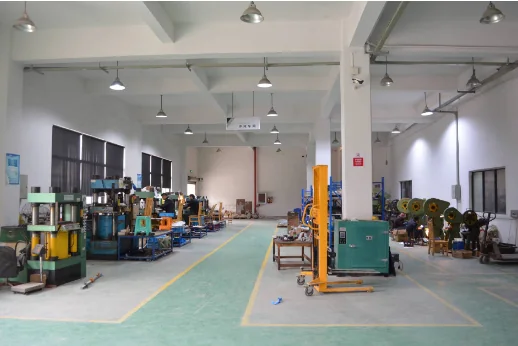
How should buyers choose a custom medal manufacturer? Verify the legal company and production location, the actual process scope for the medal, the quality of the engineering review, control of the approved sample and production inspection, and transparency about specialist partners. Evaluate these against one defined project instead of relying on low prices, broad promises or a catalogue alone.
Attractive samples do not prove repeatable delivery.
Buyers often meet a factory through a price list, product gallery or short sales conversation. Those materials may help create a shortlist, but they do not show whether the quoted specification reaches engineering, whether the production batch follows the approved sample, or whether a delayed outside process is visible early enough to protect the event date.
Problems such as unclear text, inconsistent finishing, rough edges, weak attachments or unsuitable packaging can have different causes. Treating every risk as “poor workmanship” does not help the buyer prevent it. A stronger qualification process connects each important feature to an owner, an approval reference and an inspection method before production begins.
The same principle applies to capacity. Factory size and equipment matter only when they are connected to the required quantity, process and arrival date. Ask how the specific order will be scheduled rather than accepting a general statement about annual output.
“We make everything” is not a process map.
Custom medals, bottle openers and enamel pins may share metal-forming and finishing stages, but the finished products do different jobs. A medal needs a reliable loop, ribbon and presentation. A bottle opener must perform a mechanical function. A pin needs a front design, post layout and backing that work together.
Ask the supplier to map the route for the product being quoted. Which stages are performed at the named facility? Which are handled by a partner? Who approves incoming work and who owns the final inspection? Outsourcing a specialist operation is not automatically a weakness. Hiding it prevents the buyer from understanding responsibility and risk.
Test the capability that matters for each category.
| Product | Critical questions | Useful evidence | Sample review |
|---|---|---|---|
| Custom medals | Can the supplier translate the artwork into the intended relief and connect the medal, loop and ribbon as one assembly? | Comparable relief work, reverse details, edge finish, ribbon attachment and packed presentation. | Readability at size, relief interpretation, finish, loop alignment, ribbon assembly and packaging fit. |
| Metal bottle openers | Has the opening geometry been reviewed as a working feature rather than only a decorative cutout? | The proposed opening area, edge treatment, attachment or magnet arrangement, and a demonstration using the sample. | Opening action on the agreed closure type, hand contact, balance, attachment and packed condition. |
| Enamel pins | Can the supplier preserve the logo at the finished size and keep the pin in its intended orientation? | A marked production interpretation, reverse proof, proposed post positions and the exact backing option. | Small details, color fields, visible metal, post connection, backing operation, orientation and card mounting. |
The use case changes what “capable” means.
Sports and event medals place special weight on relief readability, ribbon assembly, quantity control, participant packing and a fixed arrival date. Ask the factory to review the complete medal-and-ribbon system instead of showing an unrelated award sample.
Employee recognition and anniversary awards may require several award levels, controlled wording, presentation packaging and reliable repeat orders. The factory should explain how versions are separated and how the approved design will be identified later.
Brand campaigns using pins or bottle openers often start with a protected logo rather than a production drawing. Evaluate how the supplier adapts the identity without changing essential brand elements, then test the pin attachment or opener function as part of the finished product.
For an overseas buyer, service capability also includes remote artwork review, physical sample delivery, written approval records, production updates and export packing. Fast replies are helpful, but they do not replace controlled information.
Use evidence that is connected to a place, process and date.
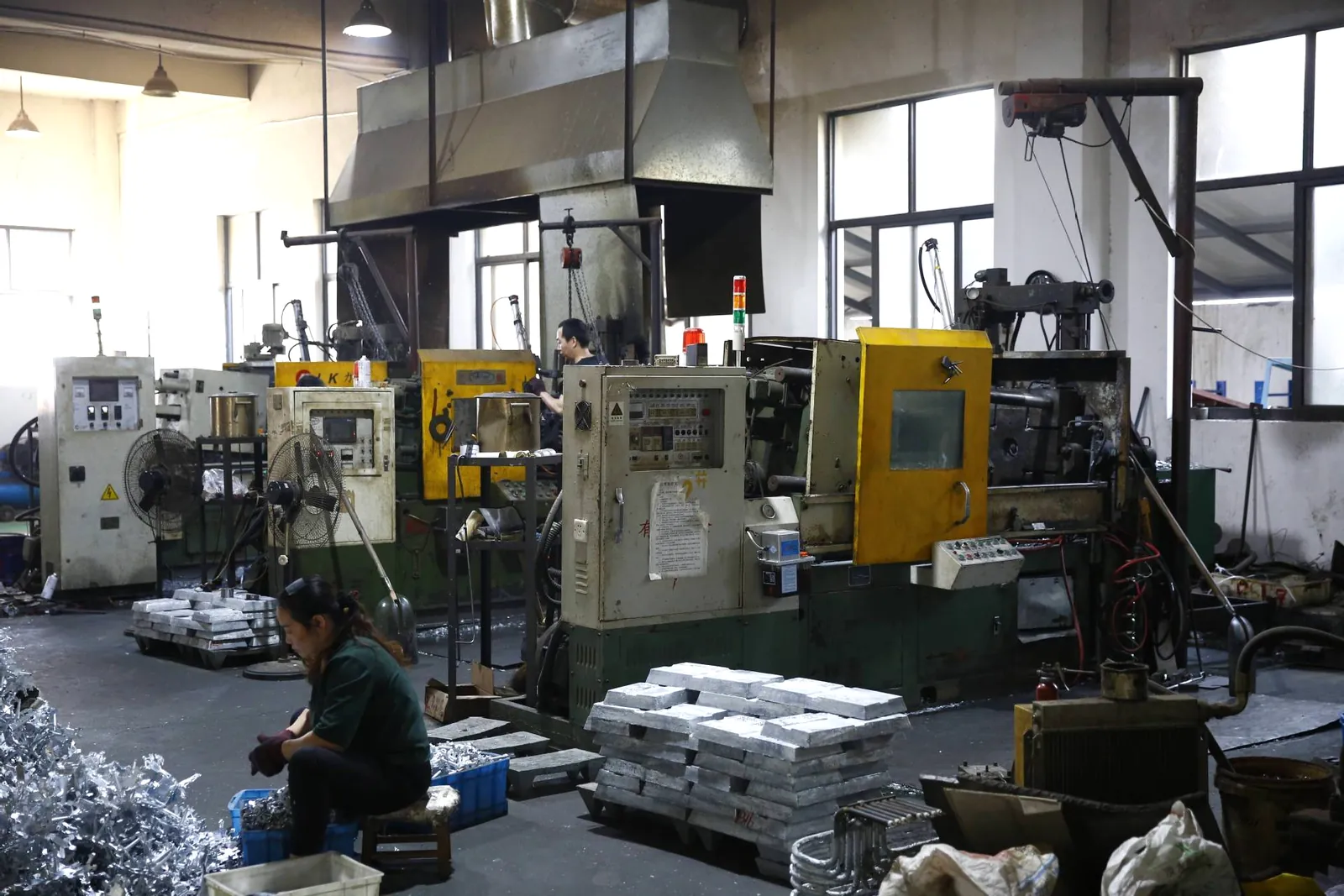
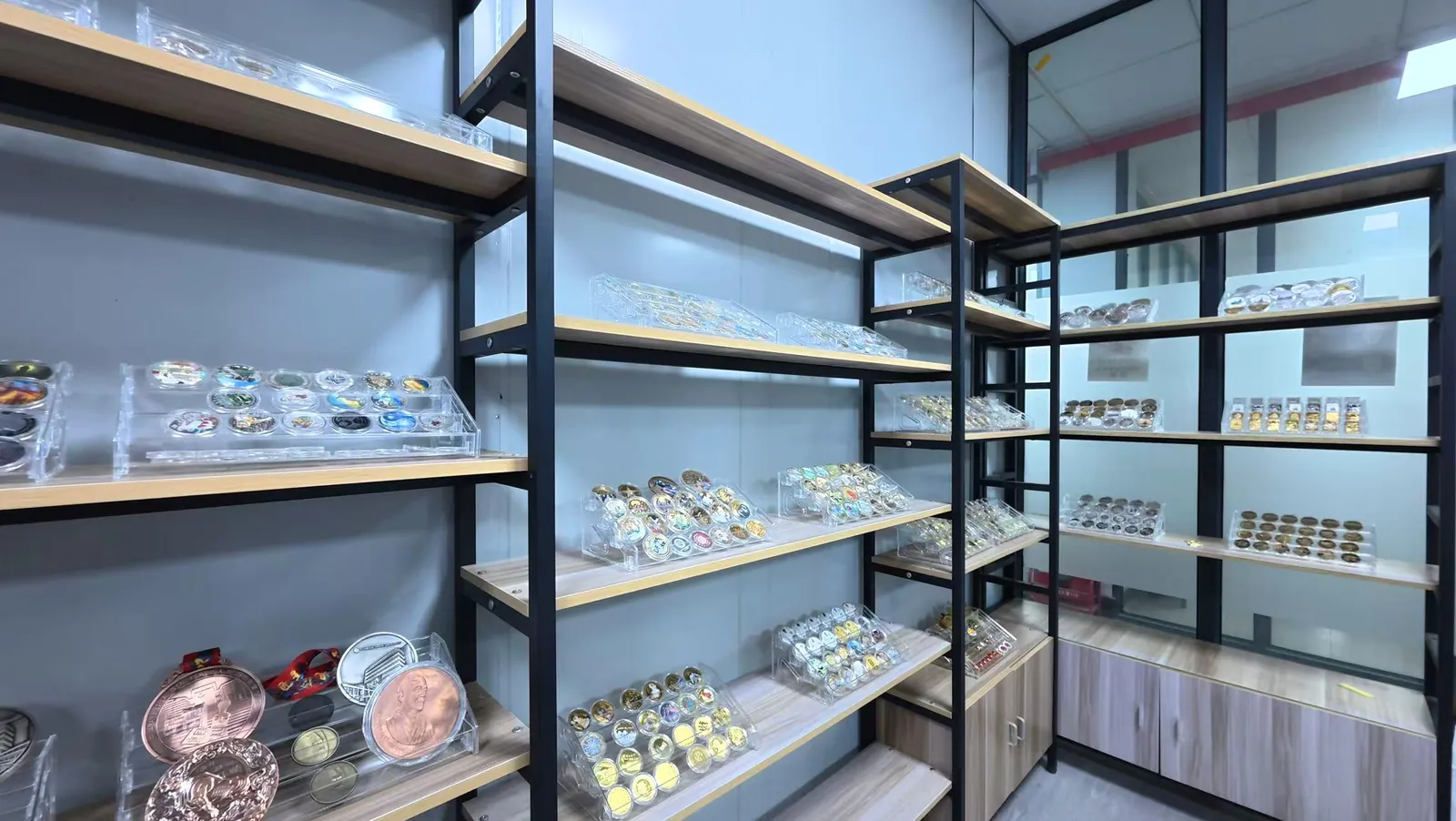
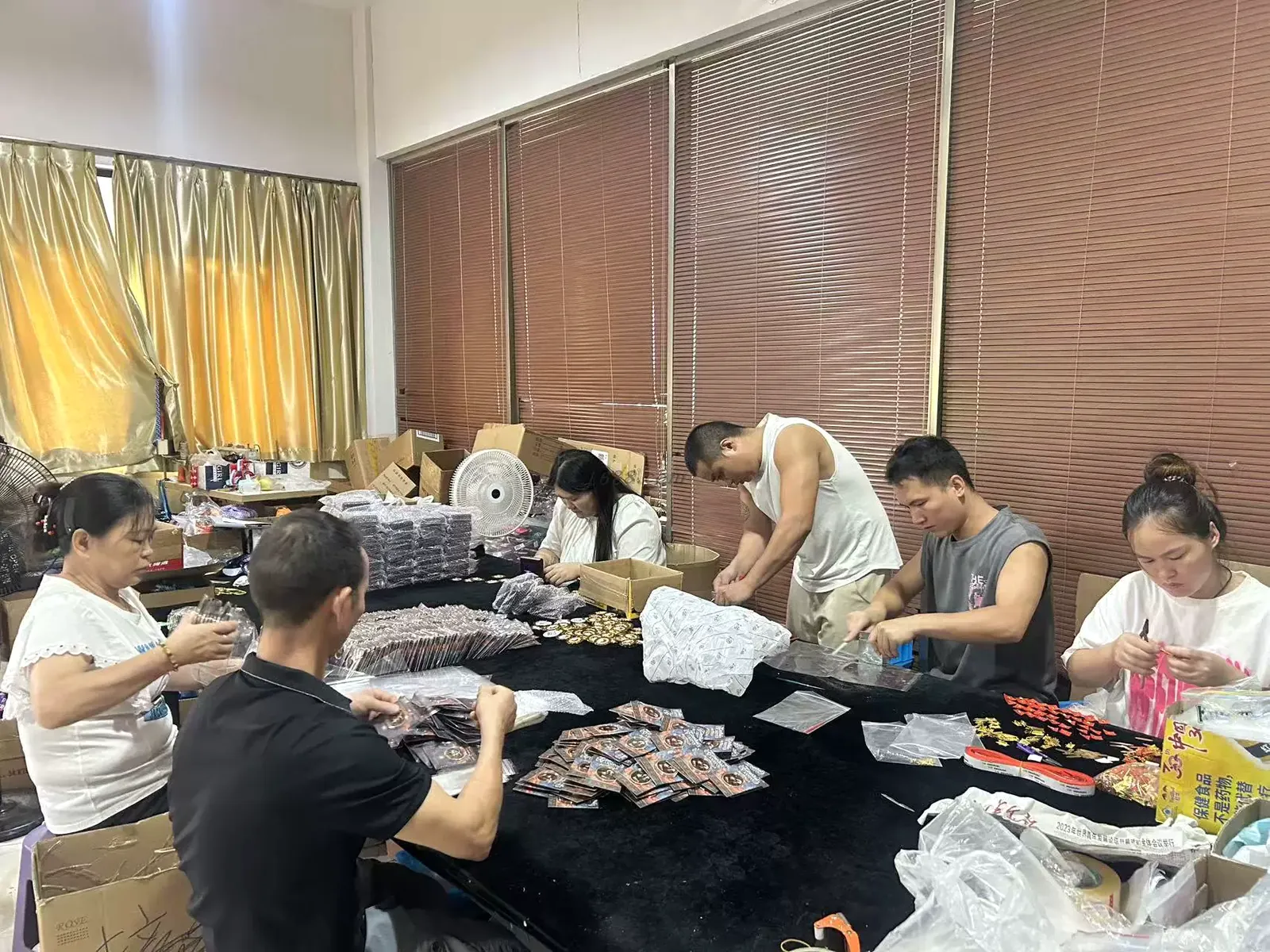
A useful remote factory review is more than a polished promotional video. Ask for a live or recently dated walkthrough that connects the company identity, facility and relevant production stages. The supplier should be able to explain what is happening without exposing other customers’ confidential artwork.
For a higher-risk program, use an independent audit or inspection when appropriate. Define its scope around your decision: legal identity, facility, process control, social-compliance requirements or product inspection are different assignments.
How Wenzhou Oasis documents its factory capability.
| Legal factory identity | Wenzhou Pingyang Oasis Metal Products Factory, presented in English as Wenzhou Oasis Metal Products Factory; Extra Dream is the overseas-facing brand used by the factory. |
|---|---|
| Location and scale | Pingyang County, Wenzhou, Zhejiang, China. Established in 2010, with a published 2,000 m² facility and about 25 team members. |
| Published product scope | Custom medals, coins, enamel pins, badges, bottle openers and related metal gifts. |
| Standard order fit | The current core product pages publish a standard MOQ of 500 pieces per design. The quantity, variants and project terms still need confirmation in the quotation. |
| Published in-house processes | Die casting, stamping, polishing, plating, color work, UV printing, epoxy, assembly, inspection and packing. Simple tooling can be made internally; complex tooling is coordinated with specialist mold partners. |
| Quality-system evidence | ISO 9001:2015 certificate 19825QI5790R0M, valid September 22, 2025 through September 21, 2028. Its published scope covers production and sale of hardware craft ornaments. |
These facts provide a verifiable starting point, not automatic proof that every future order will meet its specification. Buyers should still connect the selected product, artwork, sample, quantity and inspection plan to the actual quotation.
See the factory team, process and certificate page and the official company and facility facts for the supporting details.
A strong factory makes its assumptions visible.
Send the same controlled brief to each candidate. A capable response should identify missing dimensions, artwork that cannot remain unchanged, functional questions and choices that affect the result. A quick “yes, no problem” is less useful than a marked proposal that tells the buyer what must be decided.
Look for revision discipline. The drawing, sample, quotation and purchase order should refer to the same version. If sales, engineering and production describe different constructions, resolve the discrepancy before paying for tooling or approving a sample.
The sample is useful only if production follows it.
Define what the sample approves: appearance, dimensions, function, attachment, packaging or a limited subset of those items. Record any difference between the sample and the planned production item. A photograph can confirm some visible points; it cannot establish feel, opening performance or fastening in use.
Ask how the approved reference is retained and communicated to production and inspection. If a material, finish, backing, ribbon or package changes after approval, require the substitution to be identified and reviewed rather than buried in a message thread.
When the cost of failure is high, consider a pre-production sample, production inspection or pre-shipment inspection with written criteria suited to the order. Do not import a generic checklist that ignores the product’s actual risk.
Ask how the factory knows an order is acceptable.
Before production
- One approved artwork and specification revision
- Defined material, size, finish and decoration
- Confirmed attachment, ribbon or opening function
- Packaging and labeling instructions
- Agreed inspection criteria and responsible approver
Before shipment
- Inspection record linked to the order
- Quantity and packing verification
- Recorded handling of deviations or rework
- Photos or inspection evidence required by the agreement
- Release approval under the agreed process
A certificate can add context, but it does not replace product-specific checks. If a supplier presents ISO 9001 certification, verify the named organization, location, validity and certification scope. ISO explains that the certification scope identifies the relevant activities, products, services and sites; it should not be treated as a generic badge for every claim. See the ISO 9001 overview and ISO/IAF guidance on certification scope.
Clarify responsibility before the first problem occurs.
The quotation and order terms should identify what is included, who owns each approval and what happens when the sample or production differs from the agreed specification. Separate buyer-requested design changes from supplier deviations; cost and schedule responsibility depend on the cause and the written agreement.
For tooling, ask about the charged item, reuse conditions, storage period and what happens if the design or supplier changes. For a multi-product program, confirm whether medal, opener and pin tooling, samples and packaging are tracked separately.
Also identify the contracting company, payment recipient and manufacturing party. If they are different entities, ask the supplier to explain the relationship rather than assuming that a brand name, export company and factory name are interchangeable.
Score evidence, not confidence.
| Area | 0 points | 1 point | 2 points |
|---|---|---|---|
| Identity and location | Unclear or inconsistent | Basic documents supplied | Documents, contracting entity and facility relationship align |
| Process scope | Generic claim | Partial process explanation | Product-specific route and subcontracting responsibilities are clear |
| Engineering review | Unqualified acceptance | Some questions raised | Marked interpretation, assumptions and revision control supplied |
| Sample control | No link to production | Sample available | Approval scope, retained reference and change control explained |
| Inspection | “QC passed” only | General checklist | Order-linked criteria, records and deviation handling described |
| Commercial clarity | Material exclusions | Main price lines present | Scope, tooling, packaging, delivery assumptions and responsibilities align |
Choose weights that reflect your project. A functional opener may place more weight on sample performance; a global uniform program may place more weight on attachment, compliance and repeatability. Do not convert this illustrative scorecard into an automatic supplier approval.
Pause when the evidence and the promise do not match.
- The company name, payment beneficiary and factory identity change without explanation.
- The supplier refuses to identify outsourced stages but claims complete in-house control.
- A quotation describes only the front design and omits attachment, ribbon, function or packaging.
- The production drawing changes after approval without a revision record.
- A certificate is presented without a readable entity, scope, site or validity period.
- The supplier cannot explain how the approved sample will be used during production inspection.
- Every technical question receives a sales promise instead of a marked answer.
One gap may be fixable. Several unresolved gaps in the same project are a reason to delay approval until responsibilities are clear.
Send this before choosing the supplier.
Copy and adapt:
“We are qualifying a manufacturer for custom [medals / bottle openers / enamel pins]. Please confirm the legal contracting company and production location for this project. Provide the proposed process route, identify any subcontracted stages, and return a marked artwork review showing assumptions and required changes. Explain how the approved sample is transferred to production and final inspection. Please also provide the quotation scope, tooling and reuse terms, packaging responsibility, and the records available before shipment.”
This is a qualification request, not a complete RFQ. Follow it with the dimensions, quantities, destination, required date and product-specific acceptance points for the actual project.
A professional supplier can explain control, not only capability.
The goal is not to find the factory with the longest equipment list. It is to find a supplier whose identity, process, decisions and records stay connected from artwork review through shipment.
For product-level preparation, continue with our guides to comparing custom medal quotations, ordering custom enamel pins and reviewing a custom bottle opener sample.
Qualifying a custom metal products factory?
Review the verified Extra Dream factory and company facts, including the published facility details and workshop evidence. To discuss a defined project, send the artwork, product type, quantity and intended use.
Scope and references
This guide describes a buyer-led supplier qualification process. It does not certify any factory, guarantee an outcome or replace legal, technical, compliance or independent-audit advice. Certification requirements, inspection scope and acceptance criteria must be selected for the actual buyer, market and product. Factory images used here are existing Extra Dream assets already published on the official factory page.