
Custom metal cost structure
Why do small custom metal orders cost more?
Mold fees, production setup and batch efficiency explain why unit prices fall as the quantity of one design increases.
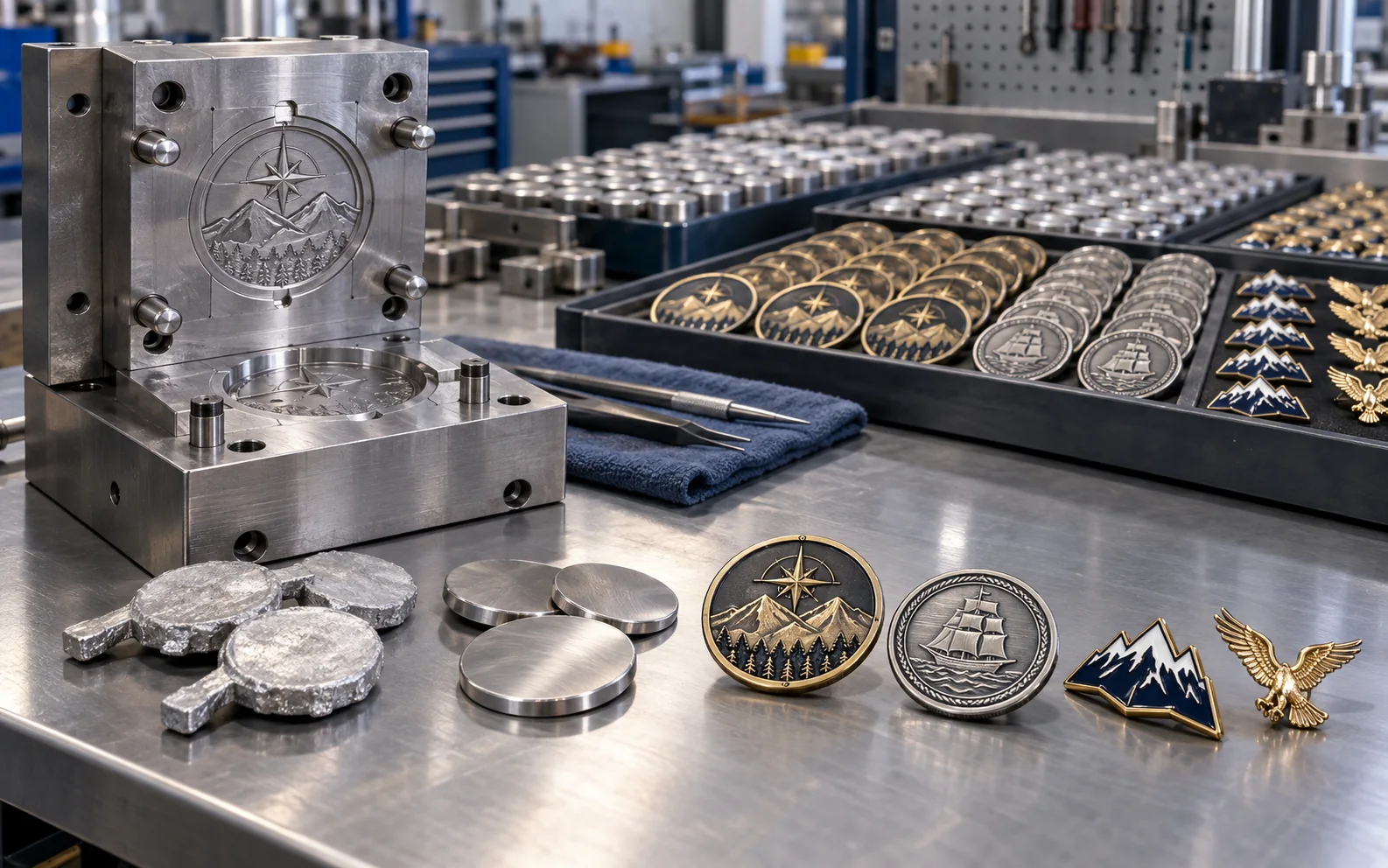
A custom metal project needs production artwork, tooling, machine setup, trial pieces and finishing preparation before the first saleable piece is complete. Those costs exist whether the order contains 100 or 1,000 pieces. A larger quantity spreads them across more units and makes casting, stamping, polishing, plating, coloring, inspection and packing more continuous.
The useful formula
Unit price contains more than metal and labor.
Factories may present quotations differently, but the same cost groups remain. A low quantity gives each piece a large share of the fixed work. A higher quantity reduces that share.
Project preparation
- Production artwork and engineering
- Mold or die design and machining
- Machine installation and adjustment
- Trial production and first-piece review
- Plating, color or printing preparation
Metal production
- Metal and forming
- Trimming and polishing
- Plating and coloring
- Attachments and assembly
- Inspection and individual packing
Packing and freight
- Ribbon, clutch, ring or accessory
- Bag, backing card or gift box
- Export cartons and labeling
- Freight based on packed weight
- Destination service and import scope
Before production begins
What a custom metal mold fee pays for.
A logo or visual concept cannot normally go straight into a press or casting machine. It must be translated into a repeatable metal structure.
- Production engineeringSize, thickness, relief, metal lines, color recesses, openings and attachment points are reviewed.
- Tool preparationThe mold or die is machined for the approved shape and relief. A two-sided or multi-component product may require additional tooling work.
- Trial and correctionThe first raw pieces are checked for filling, pressure, detail, edge condition and manufacturability before batch production.
- Setup for the approved processPress or casting parameters, polishing direction, plating, colors and assembly requirements are prepared.
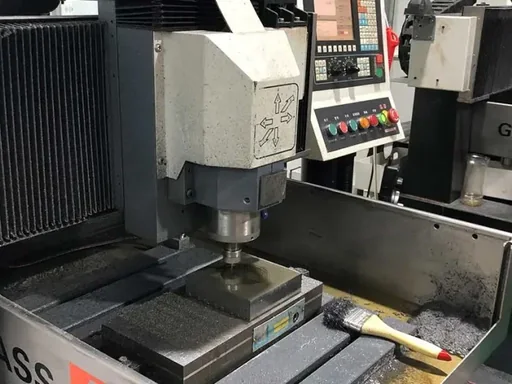
Mold-fee allocation
The mold does not become cheaper. Its cost is divided by more pieces.
This simplified example assumes one design has a $300 mold charge. It illustrates the calculation only and is not an Extra Dream quotation.
The largest change happens at the lower quantity levels. Once tooling has been spread across many pieces, material and processing become a larger share of the remaining price.
Beyond the mold
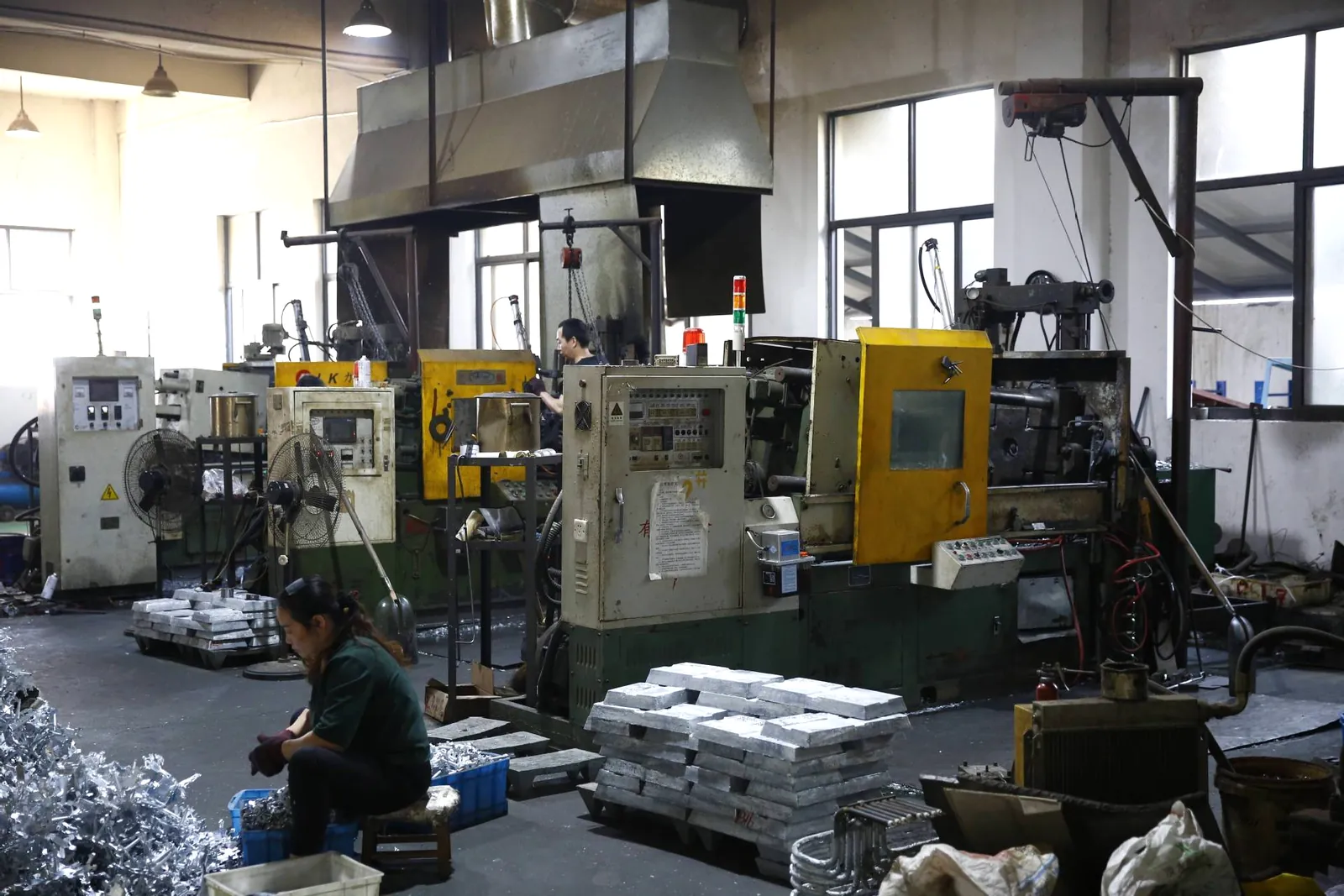
Batch production also lowers part of the processing cost.
Producing 1,000 pieces is not the same as repeating a 100-piece job ten separate times. A longer run keeps the approved tool, machine settings and production sequence in place.
- Materials and standard accessories can be purchased in better production quantities.
- The mold stays installed while more pieces are formed.
- Polishing, plating, coloring and assembly can move in batches.
- Inspection, counting and packing become more continuous.
- Less time is lost changing machines, tools, colors and job instructions.
A complete teaching example
Fixed costs fall quickly; metal and processing do not disappear.
Assume a project has $450 of combined mold and setup costs. The illustrative production cost per piece also improves as the run becomes more efficient.
| Quantity | Fixed cost per piece | Illustrative production cost | Illustrative unit cost |
|---|---|---|---|
| 100 | $4.50 | $2.80 | $7.30 |
| 500 | $0.90 | $2.20 | $3.10 |
| 1,000 | $0.45 | $1.95 | $2.40 |
| 5,000 | $0.09 | $1.75 | $1.84 |
Illustrative figures only. They do not represent a quote for a specific medal, coin, pin, keychain or other product.
Fixed tooling and setup are spread much more effectively.
Batch efficiency improves while the fixed share continues to fall.
Metal, finishing, accessories, packing and inspection still occur per piece.
Quantity per design matters
One design × 500 is different from five designs × 100.
- 1 production artwork
- 1 mold
- 1 machine setup
- 1 first-piece approval
- 5 production artworks
- 5 molds
- Multiple setups
- Separate checks and counts
Even when the combined quantity is 500, separate designs may need separate relief files, tooling, colors, setup, inspection and packing. Custom metal pricing is therefore normally evaluated by quantity per design, not only by total pieces across the purchase order.
Process-specific differences
Not every metal product uses the same tooling or labor.
Zinc-alloy die casting
Common for shaped medals, keychains, openers and dimensional souvenirs. Deep relief, cut-outs, thickness and moving components can increase tooling and trial work.
Brass or iron stamping
A die forms the approved relief under pressure. Front-and-back detail, material thickness and forming requirements affect the tool and press setup.
Enamel and colored pieces
Metal boundaries must hold the colors. More color areas add filling, curing, inspection and possible touch-up work after the base metal is formed.
Multi-component products
Spinners, openers, clips and moving assemblies can require several parts, additional tooling, assembly and functional checks.
Repeat orders
Why a reorder may cost less—but is not automatically a bulk price.
If the artwork, dimensions and construction remain unchanged and the original tooling is still usable, a reorder may avoid a new mold charge.
Production still requires machine setup, metal, forming, polishing, plating, coloring, attachments, inspection and packing. A small reorder therefore still carries batch and minimum-quantity costs even when the mold is reused.
Read the mold-fee reorder guide →- How long will the tooling be retained?
- What changes require a new mold?
- Does a reorder have its own MOQ?
- Will the same finish and color references be available?
- How is stored tooling identified?
Control the cost without guessing
Six practical ways to reduce small-batch cost.
- Concentrate demand into one main design.Every additional design may add artwork, tooling and setup.
- Keep the size and construction practical.Large pieces, deep 3D relief, thin openings and moving parts increase work.
- Use only the colors that matter.More color regions add filling and inspection time.
- Standardize attachments and packing.Shared ribbons, clutches, rings, bags or boxes simplify purchasing and assembly.
- Request realistic quantity tiers.Compare the minimum, 500, 1,000 and a higher quantity you may actually buy.
- Plan the reorder before tooling begins.Confirm retention, reuse and the changes that would require new tooling.
Choose the right quantity
The lowest unit price is not always the lowest business cost.
A larger order can reduce unit price while increasing cash tied up in stock, storage requirements and the risk that a design or event quantity changes.
Request comparable quantity pricing
Send the quantity for each design, not only the total.
Please quote the same approved specification at your minimum quantity, 500 pieces, 1,000 pieces and 2,500 pieces per design. List mold or tooling charges separately and confirm whether the tooling can be reused for an unchanged reorder.
Our published standard MOQ is 500 pieces per design. The confirmed MOQ, mold fee and quantity tiers depend on the product, artwork, process, packing and project conditions.
Frequently asked questions
Questions buyers ask about small and bulk orders.
Why are 50 or 100 custom metal pieces expensive?
Artwork engineering, mold making, machine setup, trial production and finishing preparation are still required, but those fixed costs are divided across very few pieces.
Does 500 pieces always cost less in total than 100 pieces?
No. The total order value is normally higher, while the cost per piece can be much lower. Buyers should compare both unit cost and the total quantity they can realistically use.
Can several designs share one MOQ?
Not automatically. Each design may require separate artwork, tooling, setup, colors, inspection and counting. Send the quantity required for every design.
Why can a repeat order be less expensive?
If the design is unchanged and the original tooling remains usable, the reorder may avoid a new mold charge. Production setup and per-piece costs still apply.
How many pieces should I order?
Compare realistic quantity tiers against expected use, total spend, inventory risk, storage, possible design changes and likely reorder demand.
Compare realistic quantity tiers