
Culture · Product development · Manufacturing
From cultural inspiration to market-ready merchandise.
A motif can begin with a dance, a street painting, an artifact or a local memory. Turning it into something people recognize, buy and collect requires a chain of decisions—not merely a logo and a mold.
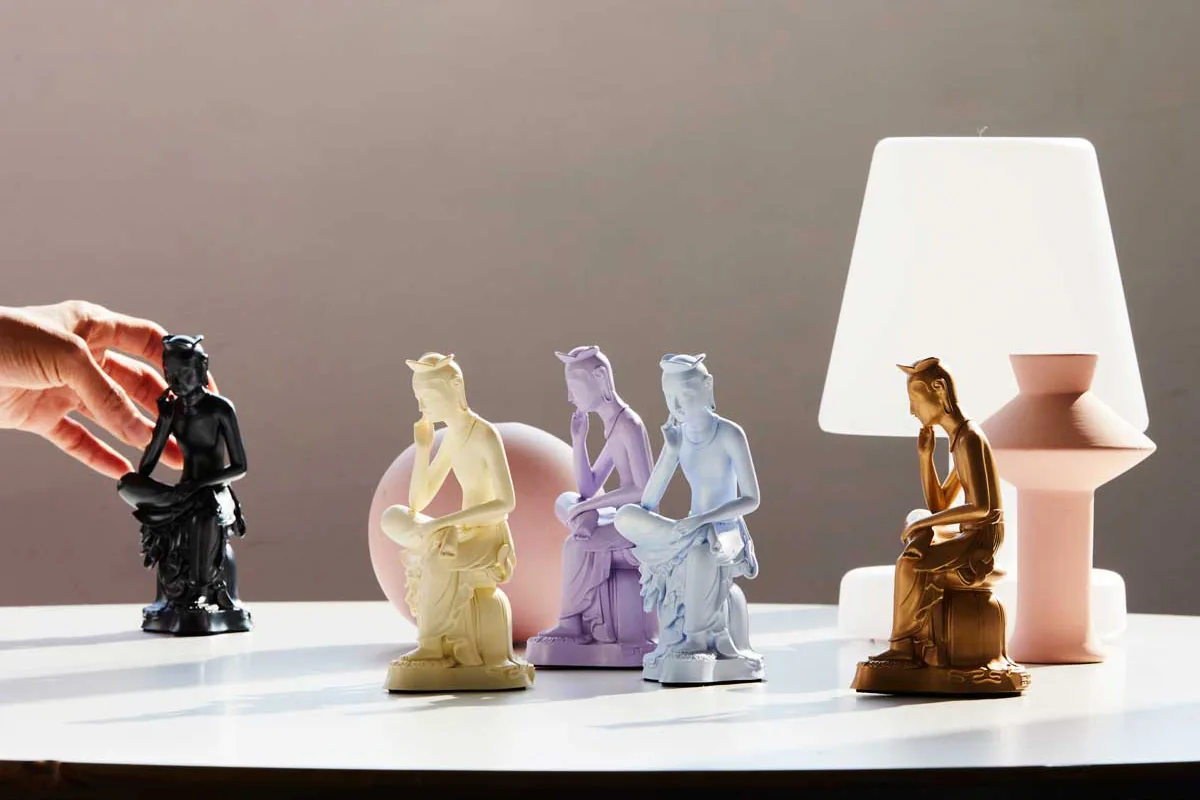
No factory can guarantee a bestseller. A disciplined process can, however, remove avoidable mistakes and align cultural meaning, product form, cost and the place where people will buy.
Field notes from six places
Look for a cultural relationship—not a national cliché.
These examples are not a library of symbols to copy. They show different ways living culture, craftsmanship and collections can guide product development.
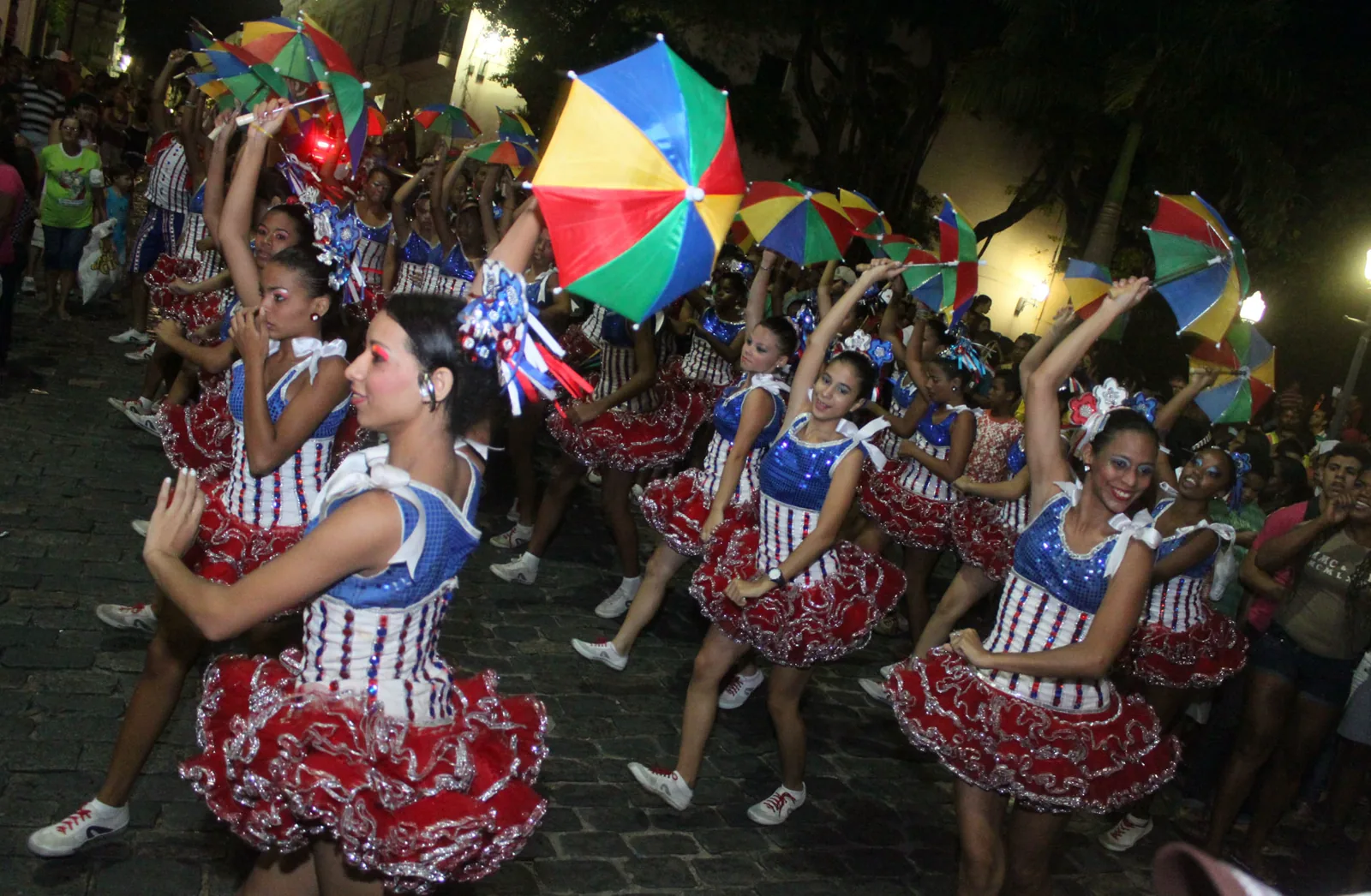
Translate movement, not just an umbrella.
Recife’s Frevo joins music, dance, costume, craft and carnival. Its small multicolored umbrella is recognizable because it belongs to a larger rhythm and community practice. A licensed series might translate radiating color, rotation and movement into pins, keychains or event medals. UNESCO source ↗
Everyday streets can carry cultural value.
Dhaka’s decorated rickshaws turn transport into a moving exhibition of floral forms, animals, people and urban stories. Pins, magnets and keychains could learn from that visual energy—but specific art should involve or license its artists. UNESCO source ↗
Choose one doorway into a collection.
The Tokyo National Museum sells goods based on objects and motifs in its collection alongside contemporary traditional crafts. The lesson is precision: one outline, detail or expression can bring a large collection into daily life. Museum source ↗
Make heritage useful and collectible.
Official reporting describes museum products that sold out quickly and drew younger consumers toward the artifacts behind them. Cultural recognition, contemporary aesthetics and real use can support one another. MCST source ↗
Strong imagery requires deeper context.
Flowers, candles, paper cut-outs and skeleton forms belong to family remembrance, indigenous worldviews and community practice. Removing that meaning can leave a visually loud but culturally empty object. UNESCO source ↗
“Visible online” does not mean “available for merchandise.”
WIPO notes that traditional cultural expressions can include art, designs, symbols, performances, ceremonies, architecture, handicrafts and narratives tied to the identity of indigenous or local communities. Check copyright, trademark, collection-image permissions and community expectations before manufacturing—not after the artwork is approved.
Find the keepable moment
Begin with the buyer, not the catalogue.
Imagine a coastal city with a lighthouse, waves, fishing boats, old streets and local legends. Placing everything on one souvenir may be comprehensive, but it leaves no visual lead.
Ask three questions first: who is buying, why are they buying, and what moment do they most want to carry home? If the answer is “the feeling of finding your way back to the coast,” the lighthouse can lead while the sunrise and waves support it. Other details can become later releases.
Cultural value is not measured by how many symbols fit.Build a visual system
Give the idea rules it can travel with.
Define the recognizable silhouette, color family, line rhythm, type treatment and what must stay consistent. Then the idea can move between objects without becoming the same picture printed six times.
Pin
Bright color, a compact outline and a clear wearable identity.
Coin
Two-sided storytelling, weight and deeper relief for ceremony or collecting.
Magnet
A larger scene for architecture, landscape and the memory of place.
Keychain or opener
A symbol connected to an everyday action and durable structure.
Medal
A cultural event, date, route and shared achievement in one award.
Collection
Shared borders, colors or proportions; a different reason to choose each item.
Plan product roles
Launch a small ladder, not a warehouse of guesses.
An accessible pin, keychain or simple magnet can lower the first-purchase barrier. A dimensional magnet or two-sided coin can carry the central story. More complex relief, numbering and presentation packaging can support a limited or gifting tier.
A first release does not need ten SKUs. Each design can add tooling, sampling, packing and inventory exposure. One to three representative products create a clearer test; actual questions, sales and repeat requests can guide the next colors or formats.
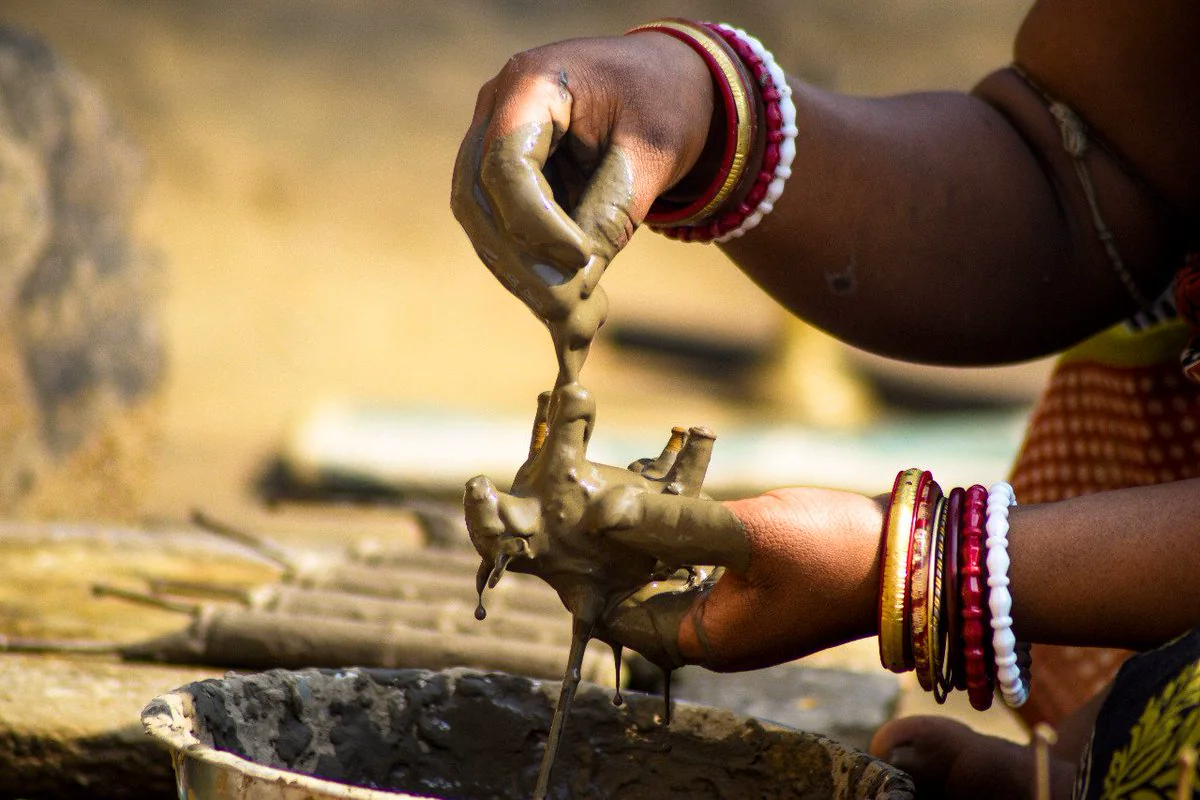
The process may be the heritage
India’s Dhokra changes the question.
Dhokra uses lost-wax metal casting to create brass, bronze or copper objects. Here, cultural meaning does not sit only on the surface. It also lives in the process, material marks and makers.
A modern factory should not imitate the appearance and erase the tradition. A better program can distinguish artisan-made collector pieces from authorized, clearly described entry products—and explain the relationship honestly.
The National Portal of India describes Bengal Dokra as a regional craft used for detailed figurines, jewelry, lamps and ornaments. That is a product-development lesson: sometimes the most important design asset is the making knowledge itself.
Engineer the design
A beautiful screen image is not a production specification.
Extra Dream reviews a client’s illustration, brand guide, collection image or concept sketch against the physical product. The earlier material and process limits are discussed, the more of the original creative idea can usually be preserved.
- Minimum line and text size
- Metal divisions between enamel colors
- Enamel, printing or another method for gradients
- 2D levels or sculpted 3D relief
- Finished size, thickness and weight
- Strength around cutouts and moving parts
- Front, reverse and edge planning
- Plating, attachments and packaging
For cultural work, this gate also includes authorization. Museum images, living traditions, artist work, trademarks and community symbols may have different rights and expectations.
Turn feeling into a specification
Replace “more premium” with decisions both sides can check.
A useful quotation and production proof identify dimensions, material, forming method, relief, plating, colors, attachments, reverse orientation, packaging, quantities, tolerances and approval milestones.
Only then can prices be compared fairly. A low unit price may exclude tooling, samples, packaging, accessories or delivery. Equal-looking quotations are not equivalent until the specification and commercial scope match.
Approve proof and sample
The drawing answers “what”; the sample answers “how it feels.”
A production proof confirms structure, wording, color areas and process notes. It cannot fully reproduce weight, reflections, relief depth, attachment strength or the way packaging presents the object.
Physical sampling is especially useful for a new structure or supplier, complex 3D work, multiple finishing processes, demanding color or presentation, a large first run, or approval by several stakeholders. Record every revision and the final written approval. Bulk production should follow the agreed file and sample—not a memory of the original concept.
Test the commercial reality
Calculate the shelf before filling the carton.
Combine unit cost, tooling, sample, packaging, international shipping, duties and taxes, storage, selling costs, promotion and expected margin. If the required retail price is wrong for an impulse-buy visitor, adjust size, finish, packaging or product mix before production.
The reverse can also be true: a premium limited product may need a stronger presentation and story to support its price. Extra Dream can compare manufacturing options, but the buyer should set retail pricing with local customers and channel costs in mind.
Produce, inspect and deliver
Mass production is a controlled path, not a copy button.
Manufacturing follows the final approved file through tooling, metal forming, finishing, color or printing, assembly, inspection and packing. Quantity, appearance, attachments and cartons need defined checks before shipment.
Transport should be planned around destination, budget and required arrival date. Express, air, sea or combined routes may fit different orders. Buyers unfamiliar with importing can also ask whether a workable DDP door-delivery route is available for their exact destination.
Learn after launch
The first sale is part of product development.
Watch which item is picked up first, what customers ask, which price converts, whether they buy for themselves or as gifts, and which motif prompts requests for another color or product.
Keep the final art, color references, process, attachments, packaging, approval photographs and order history. Confirm mold-retention and reuse terms before reordering. Strong collections are often built through a clear cultural core, a controlled first release and repeated learning—not one perfect guess.
How Extra Dream supports the work
From cultural brief to packed order.
Wenzhou Oasis Metal Products Factory supports museums, destinations, cultural organizations, brands, schools, events and gift buyers with custom metal product development.
Understand
Theme, audience, channel and intended response.
Recommend
Pins, coins, magnets, keychains, openers, medals or a focused family.
Engineer
Size, material, relief, enamel, printing, plating and structure.
Quote
Clear specifications, production proof and commercial scope.
Sample
Risk-based physical sampling, revision and written approval.
Produce
Mass production, inspection, accessories and export packing.
Deliver
International shipping and DDP feasibility when requested.
Have a cultural merchandise idea?
Bring us the story. We’ll help shape the product.
Share whatever you already know—your theme, audience, quantity or reference artwork. Our team can help clarify the materials, production details and next steps.
The real beginning
Inspiration starts the decisions. It does not finish them.
Cultural inspiration gives a product a reason to exist. Design makes that reason visible. Manufacturing makes it touchable. Real market response decides how the collection grows.
When each stage stays connected to the same cultural core—and respects use, budget, rights and production conditions—a motif has a better chance of becoming something people choose, gift, collect and return to find again.
Sources and image credits
Country examples are documented with official cultural, museum and intellectual-property sources. Image modifications are limited to resizing, compression and the stated crop.
- UNESCO — Frevo, performing arts of the Carnival of Recife ↗
- UNESCO — Rickshaws and rickshaw painting in Dhaka ↗
- National Portal of India — Bengal Dokra ↗
- Tokyo National Museum — Museum Shop ↗
- Korean Ministry of Culture, Sports and Tourism — MU:DS ↗
- UNESCO — Indigenous festivity dedicated to the dead ↗
- WIPO — Traditional Cultural Expressions ↗